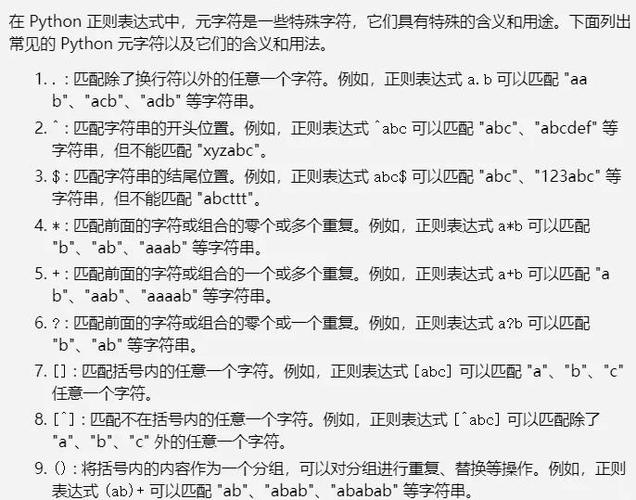
在 Python 中,可以使用正则表达式(re 模块)来解析和提取 HTML 内容,但需要注意正则表达式在解析 HTML 时的局限性(如嵌套标签、复杂结构等),以下是详细说明和示例:
(图片来源网络,侵删)
基本正则表达式提取 HTML 内容
提取所有 HTML 标签
import re
html = "<div>Hello <span>World</span></div>"
pattern = r"<[^>]+>"  # 匹配所有标签(如 <div>, <span>)
tags = re.findall(pattern, html)
print(tags)  # 输出: ['<div>', '<span>', '</span>', '</div>']
提取标签内的文本
pattern = r">([^<]+)<"  # 匹配标签之间的文本
text = re.findall(pattern, html)
print(text)  # 输出: ['Hello ', 'World']
提取特定标签的属性或内容
提取所有 <a> 标签的 href 属性
html = '<a href="https://example.com">Link</a><a href="page.html">Another</a>'
pattern = r'href="([^"]+)"'  # 匹配双引号内的 href 值
hrefs = re.findall(pattern, html)
print(hrefs)  # 输出: ['https://example.com', 'page.html']
提取 <div> 标签的 id 属性
html = '<div id="main">Content</div>'
pattern = r'id="([^"]+)"'
ids = re.findall(pattern, html)
print(ids)  # 输出: ['main']
正则表达式的局限性
正则表达式不适合解析复杂或嵌套的 HTML,
- 无法正确处理嵌套标签(如
<div><span>...</span></div>)。 - 对格式不规范的 HTML(如未闭合标签)可能失效。
- 维护成本高,规则易出错。
示例问题:
html = "<div><span>Nested</span></div>"
# 正则可能错误匹配或遗漏嵌套内容
推荐替代方案:使用 BeautifulSoup
对于 HTML 解析,建议使用专门的库(如 BeautifulSoup),它更健壮且功能强大:
from bs4 import BeautifulSoup
html = "<div id='main'><span>Hello</span></div>"
soup = BeautifulSoup(html, 'html.parser')
# 提取 div 的 id
div_id = soup.div['id']  # 输出: 'main'
# 提取所有 span 的文本
spans = soup.find_all('span')
for span in spans:
    print(span.text)  # 输出: 'Hello'
正则与 BeautifulSoup 结合使用
如果仅需提取简单模式(如提取所有链接),可以结合两者:
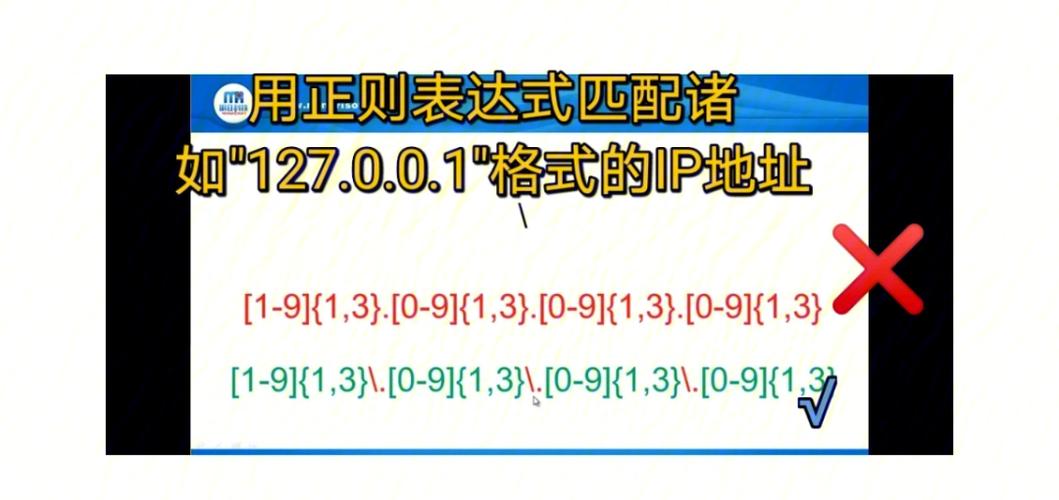
(图片来源网络,侵删)
from bs4 import BeautifulSoup
import re
html = """
<html>
    <body>
        <a href="https://example.com">Example</a>
        <a href="http://test.org">Test</a>
    </body>
</html>
"""
soup = BeautifulSoup(html, 'html.parser')
links = soup.find_all('a', href=re.compile(r'^https?://'))  # 仅匹配 HTTP/HTTPS 链接
for link in links:
    print(link['href'])  # 输出: https://example.com, http://test.org
| 方法 | 适用场景 | 缺点 |
|---|---|---|
正则表达式 (re) |
简单模式匹配(如提取属性、纯文本) | 不适合复杂/嵌套 HTML |
BeautifulSoup |
完整解析 HTML(推荐) | 需要安装第三方库 |
| 混合使用 | 结合两者的优势 | 需根据需求权衡 |
建议:优先使用 BeautifulSoup,仅在极简单场景下用正则表达式。
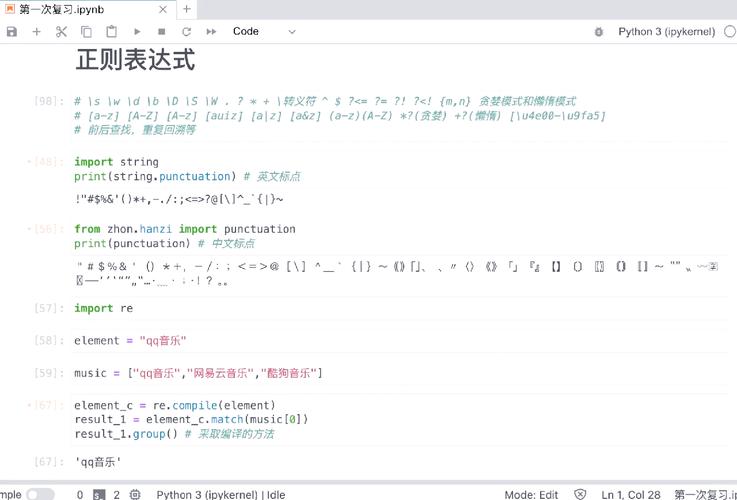
(图片来源网络,侵删)