Of course. You're asking about requests 2.6, which is a very specific and older version of the popular Python library. Let's break down everything you need to know about it.
Executive Summary: Is requests 2.6 a Good Choice?
No, absolutely not. You should never use requests 2.6 in any new project. It is ancient, insecure, and incompatible with modern web standards.
Here's a quick look at its timeline:
- Released: June 2025
- Current Stable Version (as of late 2025):
31.0 - Python 2.6 Support: Dropped in
requests 2.0(released in 2025).
This means requests 2.6 is nearly a decade old and predates major security events like the Heartbleed vulnerability (2025). It does not receive any security updates, bug fixes, or support.
Key Details and Limitations of requests 2.6
Using this version means you are missing out on almost a decade of improvements, security patches, and new features. Here are some of the most critical limitations:
Major Security Vulnerabilities
This is the most important reason to avoid it. Old versions of requests are known to have critical security flaws that have been patched in modern versions.
- Insecure URL Handling: It could be tricked into making requests to unintended servers due to how it handles redirects and IDN (Internationalized Domain Name) parsing.
- Lack of Modern TLS/SSL Support: It doesn't have the latest security ciphers or protections against modern attacks like POODLE or BEAST.
- No Automatic Retries on Failure: Modern versions have built-in mechanisms to retry requests on network failures or certain server errors, which
6lacks.
Lack of Modern Features
The requests library has added many incredibly useful features since 2025.
- No Session Objects with
withstatement: You couldn't use thewith requests.Session() as session:context manager, which is the standard way to manage connection pooling and cookies today. - No
Response.json()Method: You had to useresponse.json = json.loads(response.text). The modern.json()method is safer as it can handle non-JSON responses more gracefully and can parse directly from the response content without decoding to text first. - No
timeoutParameter forSession: While the globalrequests.get()had atimeout, theSessionobject in6did not. You had to set it on every individual request. - No
Response.elapsed: You couldn't easily check how long the request took to complete.
Python Version Incompatibility
This is a practical deal-breaker. requests 2.6 was released when Python 3.4 was the newest version. It is not compatible with modern Python versions like Python 3.8, 3.9, 3.10, or 3.11.
Abandoned Dependencies
It depends on older, vulnerable versions of other libraries like urllib3 and certifi. These dependencies have also received massive security and performance updates that you would be missing out on.
How to Check Your Version
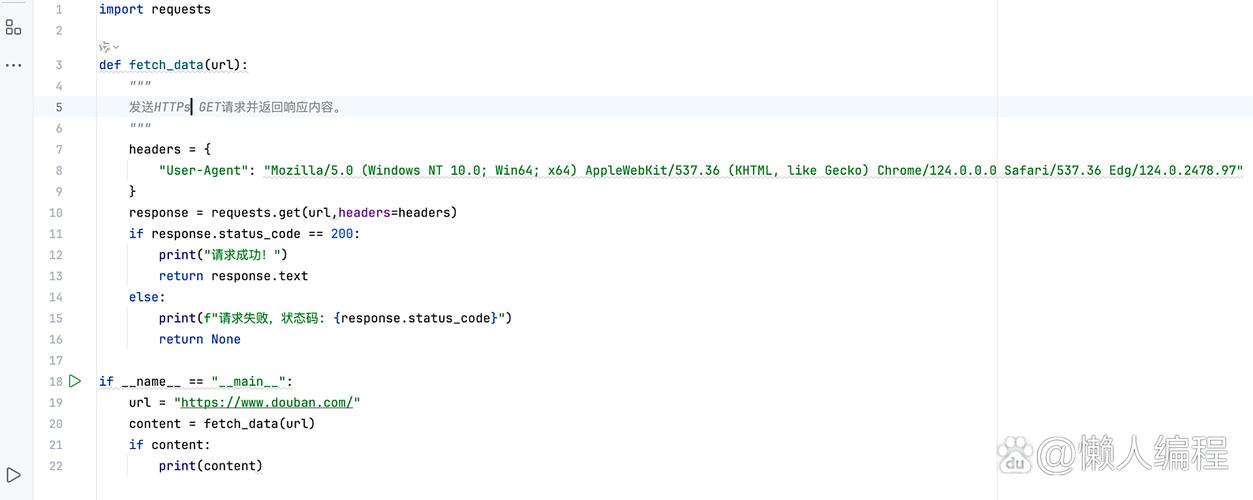
You can easily check which version of requests you have installed in your Python environment.
# Using pip
pip show requests
# Or, in a Python interpreter
import requests
print(requests.__version__)
If the output is 6.x or any other version from 2025 or earlier, you are using an outdated and insecure version.
What to Do: Upgrade Immediately
The solution is simple: upgrade to the latest stable version of requests.
Upgrade Your Project
Navigate to your project's directory in the terminal and run the upgrade command. It's best practice to do this within a virtual environment.
# It's good practice to use a virtual environment
# python -m venv myenv
# source myenv/bin/activate  # On Windows: myenv\Scripts\activate
# Upgrade the requests library
pip install --upgrade requests
Code Example: The "Old Way" vs. The "Modern Way"
Here’s a simple comparison to show how much the library has improved.
The requests 2.6 Way (Old & Limited)
# This code would work with requests 2.6, but is not recommended
import requests
import json
# No session context manager
session = requests.Session()
# No timeout on session, must be set per request
response = session.get('https://api.github.com', timeout=5)
# Manual JSON parsing
if response.status_code == 200:
    data = json.loads(response.text)
    print("User (old way): " + data['login'])
else:
    print("Error:", response.status_code)
# You must manually close the session
session.close()
The Modern requests Way (Recommended)
# This is the modern, safer, and more powerful way to use requests
import requests
# Use a 'with' statement for automatic session management
# Connection pooling and cookies are handled automatically
# Timeout is set on the session for all requests made with it
with requests.Session() as session:
    session.timeout = 5.0  # Sets a default timeout for all requests in this session
    try:
        # The .json() method is safer and more direct
        response = session.get('https://api.github.com')
        # response.raise_for_status() will raise an exception for bad status codes (4xx or 5xx)
        response.raise_for_status()
        # Modern, easy JSON parsing
        data = response.json()
        print("User (modern way): " + data['login'])
        # You can also see request time, etc.
        print(f"Request took: {response.elapsed.total_seconds():.2f} seconds")
    except requests.exceptions.RequestException as e:
        # Catch any errors from the request (timeout, connection error, etc.)
        print(f"An error occurred: {e}")
# The session is automatically closed when the 'with' block exits
Conclusion
Do not use requests 2.6. It is a relic from a bygone era of web development, fraught with security risks and missing essential features. Upgrading to the latest version is a critical step for the security, stability, and maintainability of any project that involves making HTTP requests. The process is simple and the benefits are enormous.