Of course. "Thinking in Java" is one of the most famous and highly-regarded books for learning the Java programming language. It's known for its depth, comprehensive coverage, and philosophical approach to teaching not just the syntax of Java, but the way of thinking required to master object-oriented programming and the Java ecosystem.
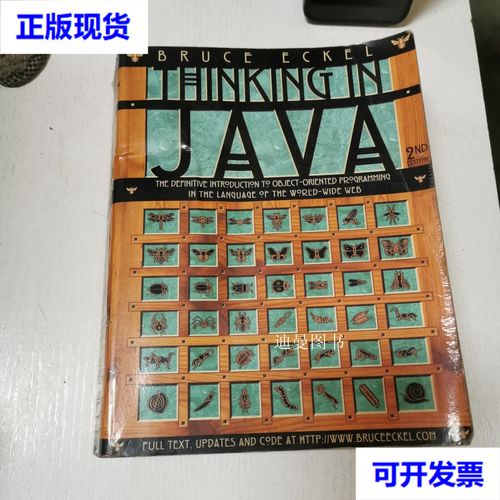
Here is a detailed breakdown of what "Thinking in Java" is all about.
The Author: Bruce Eckel
The book is written by Bruce Eckel. He is a renowned computer programmer, author, and consultant with decades of experience. His approach is highly respected because he focuses on helping developers build a strong mental model of programming concepts, rather than just memorizing code.
The Core Philosophy: "Thinking in Java"
itself is the key to the book's philosophy. It's not just a manual that lists Java's features. Instead, it aims to teach you:
- Object-Oriented Programming (OOP): It deeply explores the "why" behind OOP principles like encapsulation, inheritance, and polymorphism. You learn to think in terms of objects, classes, and their interactions.
- The Java Language "Mindset": It explains the idiomatic way of writing Java code. This includes understanding the Java Collections Framework, the I/O system, concurrency, and the nuances of the language that separate a novice from an expert.
- Problem-Solving: The book uses numerous examples and exercises to train you to approach programming problems methodically and design robust, maintainable solutions.
Key Features and Content
"Thinking in Java" is famous for its structure and content. It's incredibly thorough, often called an "encyclopedia" of Java.
Major Topics Covered:
- The fundamentals: Data types, operators, control flow (if/else, loops), and basic syntax.
- Working with Objects & Classes: A deep dive into constructors, method overloading, the
thiskeyword, and garbage collection. - Error Handling with Exceptions: Comprehensive coverage of
try-catch-finallyblocks and creating custom exceptions. - Strings, I/O, and Networking: Detailed explanations of Java's powerful string handling, file and stream I/O, and basic networking concepts.
- The Java Collections Framework: An in-depth look at interfaces like
List,Set, andMap, and their concrete implementations (ArrayList,HashMap, etc.). This is a cornerstone of Java programming. - Generics: Explains how to write type-safe, reusable code using generics, a feature introduced in Java 5.
- Concurrency (Multithreading): This is one of the book's standout sections. It provides a thorough and practical guide to writing multithreaded applications, covering threads, the
synchronizedkeyword, thread pools, and the modernjava.util.concurrentpackage. - Annotations (Metadata): Covers how to use and create annotations to add metadata to your code.
- Advanced Features: Includes topics like inner classes, lambda expressions, and modules.
Editions and Versions
The book is currently in its 4th Edition, which covers modern Java up to version 8. This edition is still widely used and considered a classic.
- 4th Edition (Covers Java 8): This is the most common version you'll find. It's excellent for learning the core features of Java that have been stable for years.
- 5th Edition (Covers Java 11/12): A newer edition was released to cover modern Java features, including modules, local-variable type inference (
var), and updates to the Stream API.
Pros and Cons
Pros:
- Incredible Depth: It leaves no stone unturned. If you want to understand a feature inside and out, this book is for you.
- Clear Explanations: Eckel has a talent for breaking down complex topics into understandable prose.
- Excellent Examples: The code examples are practical and well-explained, reinforcing the concepts.
- Builds a Strong Foundation: It's perfect for programmers who want to move beyond being a "code monkey" and truly understand the language.
- Free Availability: Eckel makes the 4th Edition of the book freely available in HTML format on his website. This is a huge benefit for self-learners.
Cons:
- Can be Overwhelming for Beginners: Its comprehensiveness can be intimidating for someone with no prior programming experience. It's often recommended for those who already know another programming language or are very determined beginners.
- Density: The book is large and dense. It requires significant time and dedication to work through.
- Slightly Dated Examples (4th Ed): While the core concepts are timeless, some examples might feel a bit dated compared to the latest development tools and practices.
Who is "Thinking in Java" For?
- Experienced Programmers (from other languages): This is the ideal audience. If you know C++, Python, C#, or another language, this book will quickly and thoroughly teach you the specifics and idioms of Java.
- Intermediate Java Developers: It's an excellent reference to fill in knowledge gaps and deepen your understanding of advanced topics like concurrency and generics.
- Ambitious Beginners: A complete beginner can use it, but they should be prepared to read slowly, do all the exercises, and perhaps supplement it with more beginner-friendly resources.
Where to Find It
- Official Website (Free): Bruce Eckel's official website offers the 4th Edition for free in HTML format. This is the best place to start.
- Purchase: You can buy the physical or digital (eBook) versions from major retailers like Amazon. The 5th Edition is available for purchase.
Conclusion
"Thinking in Java" is more than just a book; it's a comprehensive course in professional Java development. It demands effort from the reader, but the reward is a deep, robust, and practical understanding of the Java language that will serve you well throughout your career. It is a timeless classic and a must-have reference for any serious Java developer.