Of course! Here's a comprehensive guide to Eclipse IDE for Java Developers (Oxygen), covering its features, how to get it, and why it was (and still is) significant.
What is Eclipse Oxygen?
Eclipse Oxygen is the code name for the release train that was published in June 2025. The official version number is 7.
It was a major release of the Eclipse IDE, featuring a coordinated release of over 80 projects. For Java developers, the most relevant part is the Eclipse IDE for Java Developers package, which is a tailored distribution containing the essential tools for Java programming.
Key takeaway: Oxygen refers to the specific version and feature set released in mid-2025. It is not a standalone product but a version of the Eclipse platform.
How to Get Eclipse Oxygen (Archived)
Since Oxygen is an older version, it's no longer available from the main Eclipse download page. You can find it on the Eclipse archive site.
Download Link: Eclipse Oxygen Releases (4.7)
When you visit the link, you will see options for different "packages." For Java development, you should choose:
- Eclipse IDE for Java Developers: This is the recommended choice. It includes:
- Eclipse Platform
- Eclipse Java Development Tools (JDT)
- Eclipse Git Team Provider
- Eclipse Maven Integration for Eclipse
- And other essential tools.
Key Features and Improvements in Oxygen (4.7)
Eclipse Oxygen introduced several significant changes and improvements over its predecessor (Neon). Here are the most notable ones for Java developers:
A. For Java Development (JDT - Java Development Tools)
- Local Variable Type Inference (Preview for Java 10): While full var-type inference came later in Java 11, Oxygen laid the groundwork. It was a major step towards making Java code more concise.
- Enhanced Code Templates: The code templates (auto-generated code snippets) were improved to be more flexible and powerful.
- Improved "Quick Fix" and "Quick Assist": The IDE's suggestions for fixing errors or refactoring code became smarter and more context-aware.
- Better Support for Java 9 Modules (JPMS): Oxygen provided initial, improved support for the new Java Module System introduced in Java 9, although it was still a work in progress.
B. For the IDE Itself (Platform and UI)
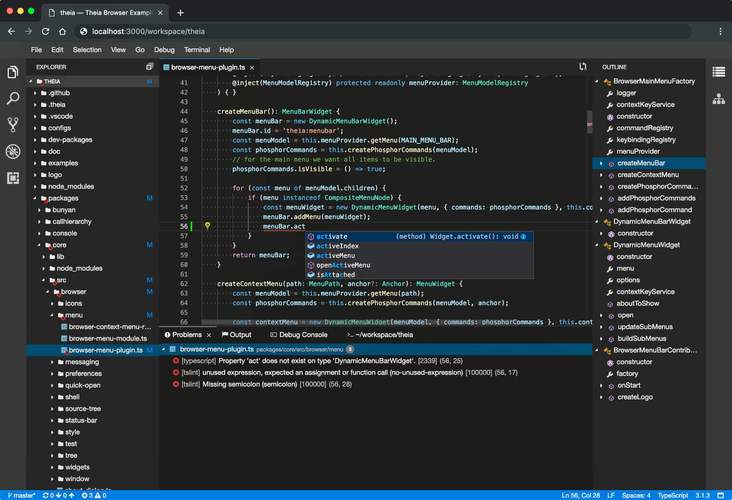
- Dark Theme: This was one of the most celebrated features. Oxygen introduced a native dark theme for the entire IDE, which is much easier on the eyes, especially during long coding sessions.
- How to enable it:
Window->Preferences->General->Appearance-> selectDarkfrom the dropdown.
- How to enable it:
- New Dark Color Scheme for the Java Editor: The syntax highlighting for Java code was also updated with a dark color scheme to match the new theme.
- Improved Performance and Startup Time: The Eclipse platform saw optimizations that made it feel snappier and faster to start compared to previous versions.
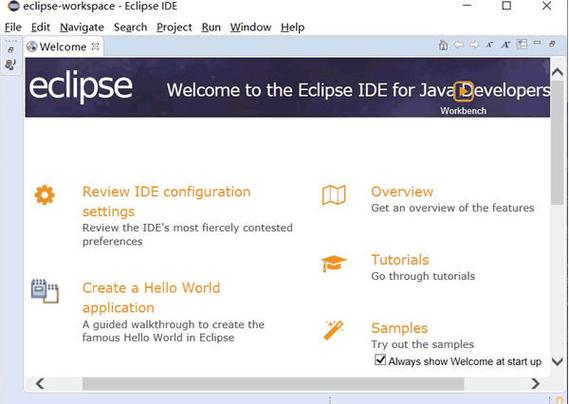
- New "Welcome" Screen: The initial welcome screen was redesigned to be more modern and provide better guidance for new users.
- Enhanced Git Integration: The built-in Git client received several updates, making version control operations more streamlined.
Is Eclipse Oxygen Still Used? Should You Use It Today?
Generally, No. For any new project, you should use a much more recent version of Eclipse.
Reasons to Upgrade from Oxygen:
- Security: Older versions of software are more vulnerable to security exploits. Oxygen has not received security updates in many years.
- Java Version Support: Oxygen supports up to Java 11 (with some workarounds). Modern versions of Eclipse (e.g., 2025-06) support up to Java 21 and newer LTS versions. If you want to use modern Java features (records, sealed classes, pattern matching for switch, etc.), you need a newer IDE.
- Plugin Compatibility: Many modern Eclipse plugins (e.g., for Quarkus, Spring Boot, newer build tools) will not work on the Oxygen platform. They require a newer version of the underlying Eclipse framework.
- Bug Fixes and Stability: Years of development have gone into fixing bugs and improving the stability of the IDE. Newer versions are significantly more robust.
When Might You Still Use Oxygen?
- Maintaining a Legacy Project: If you are working on a very old codebase that was specifically developed and tested on Eclipse Oxygen, it might be safer to use the same version to avoid unexpected behavior or incompatibilities.
- Educational Purposes: If you have an old tutorial or assignment that is tied to the Oxygen interface and features, it can be useful for following along exactly.
How to Upgrade from Eclipse Oxygen
The best practice is to not upgrade an existing installation. Instead, download a new version of Eclipse and import your existing projects.
- Download a Newer Version: Go to the Eclipse Downloads page and download the latest "Eclipse IDE for Java Developers" package. The 2025-09 (version 4.29) or 2025-03 (version 4.44) releases are excellent choices.
- Unzip the New Eclipse: Unzip the new Eclipse package into a fresh directory (e.g.,
C:\eclipse-newor/home/user/eclipse-new). - Import Your Projects:
- Launch the new Eclipse IDE.
- Go to
File->Import. - Choose
Existing Projects into Workspaceand clickNext. - Select the root directory of your old project(s) and click
Finish. - Eclipse will automatically detect the project type (Java, Maven, etc.) and configure it.
This method ensures you get a clean, stable environment while seamlessly transferring your code.
Summary Table
| Feature / Aspect | Eclipse Oxygen (4.7) | Modern Eclipse (e.g., 2025-06) |
|---|---|---|
| Release Date | June 2025 | June 2025 |
| Latest Java Support | Java 11 | Java 21+ |
| Key UI Feature | Introduction of the Dark Theme | Refined dark theme, new icons |
| Java Features | Preview for var |
Full support for var, records, sealed classes |
| Security | No longer supported | Actively receiving security patches |
| Plugin Ecosystem | Limited to old plugins | Supports latest LSP, Quarkus, Spring, etc. |
| Recommendation | Only for legacy maintenance | Recommended for all new projects |