Of course. Running Python 2.7.3 on Windows is a topic that comes up, usually for maintaining very old systems or legacy applications. Here’s a comprehensive guide covering the key aspects: installation, usage, and crucially, the security implications.
⚠️ Critical Security Warning: Why Python 2.7.3 is a Bad Idea
You should not use Python 2.7.3 for any new development or on any internet-connected machine if you can possibly avoid it.
- End of Life (EOL): Python 2 reached its official end-of-life on January 1, 2025. This means it no longer receives security updates, bug fixes, or improvements.
- Severe Vulnerabilities: Python 2.7.3 is from 2012. It is riddled with known, unpatched security vulnerabilities (CVEs). Attackers can exploit these to run arbitrary code on your system.
- Incompatibility: It is incompatible with virtually all modern Python libraries (like those for data science, web development, etc.), which have long since dropped support for Python 2.
This guide is for educational purposes or for maintaining a legacy, air-gapped system only.
How to Install Python 2.7.3 on Windows
The official Python website no longer provides installers for versions this old. Your best bet is to find an archived version.
Step 1: Find the Archived Installer
- Go to the Python Old Releases page: https://www.python.org/downloads/
- Scroll down to the "Python 2.7.x" section.
- Look for Python 2.7.3. The direct link for the Windows installer is often:
- Python 2.7.3 Windows Installer (x86): https://www.python.org/ftp/python/2.7.3/python-2.7.3.msi
- (Note: There was no official 64-bit installer for 2.7.3 from python.org. You would have had to get it from a third-party like the "Python for Windows" extension, which is not recommended due to potential security risks.)
Step 2: Run the Installer
-
Download the
.msifile.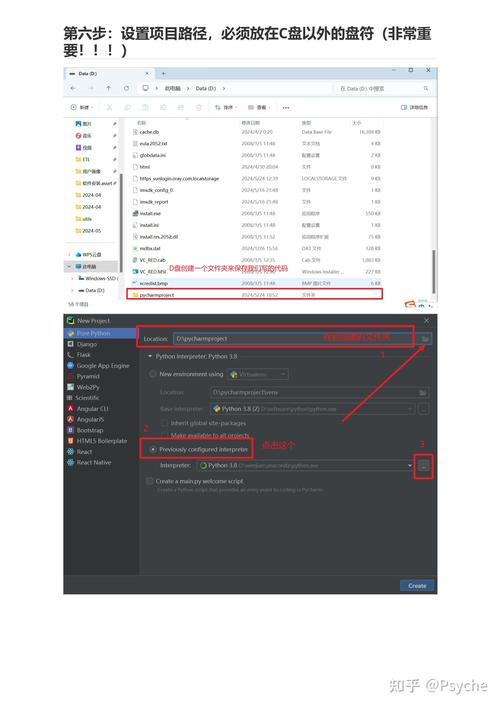 (图片来源网络,侵删)
 -
Right-click the file and select Run as administrator.
-
You will see the installer wizard. This is the most important step:
- Check the box that says "Add python.exe to Path". This will save you a lot of trouble later, as you can run Python from the Command Prompt without navigating to its installation directory.
-
Click "Next" and follow the prompts to complete the installation. The default location (
C:\Python27) is fine.
Step 3: Verify the Installation
-
Open the Command Prompt (search for
cmdin the Start Menu).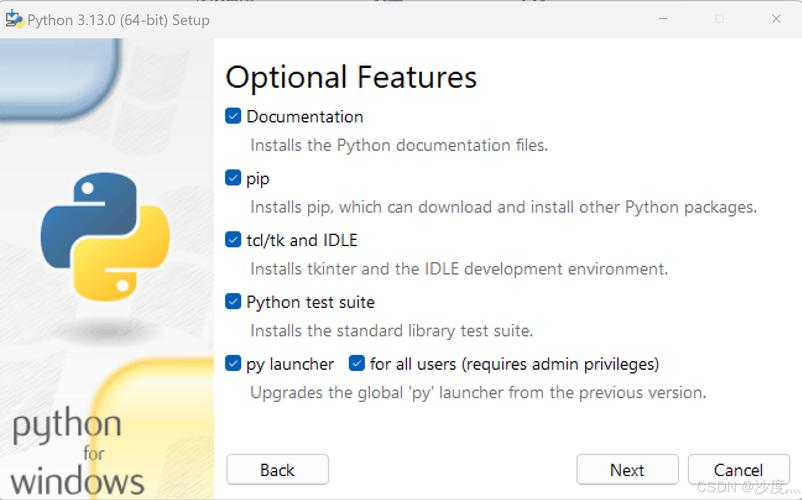 (图片来源网络,侵删)
 -
Type the following commands and press Enter after each:
python --version
You should see:
Python 2.7.3pip --version
You should see a version for
pip(it might be an older version likepip 7.1.2or similar).pipis the package installer for Python.
If both commands work, your installation is successful.
How to Use Python 2.7.3
Running the Python Interpreter
-
From Command Prompt: Simply type
pythonand press Enter. You'll see the>>>prompt, where you can type Python code directly.C:\Users\YourUser> python Python 2.7.3 (default, Apr 10 2012, 23:31:26) [MSC v.1500 32 bit (Intel)] on win32 Type "help", "copyright", "credits" or "license" for more information. >>> print "Hello, World!" Hello, World! >>> exit() C:\Users\YourUser>
-
Running a
.pyscript: Create a file namedhello.pywith the following content:# This is a Python 2 script print "Hello from a Python 2 script!"
From the Command Prompt, navigate to the directory where you saved the file and run it:
C:\path\to\your\folder> python hello.py
Hello from a Python 2 script!
Managing Packages with pip
Since Python 2.7.3 is old, you cannot use modern pip. You are stuck with the version that was installed with it (likely pip 7.x or older).
Important: Use python -m pip to ensure you are using the correct pip for your Python 2.7.3 installation.
-
Upgrade pip (Optional, but recommended for its own era):
python -m pip install --upgrade pip
-
Install a package (e.g.,
requests):python -m pip install requests==2.20.0 # Pinning to an old version is necessary
You must specify an old version of the package that is compatible with Python 2.7. Modern versions will not install.
The Modern Challenge: The Shebang Line and File Associations
On modern Windows (Windows 10/11), the system is configured by default to use Python 3. This can cause conflicts.
Problem: py Launcher
The py launcher is a modern tool that prefers Python 3. If you type py hello.py, it will likely run your script with Python 3, causing a SyntaxError because of the print "..." syntax.
Solution: You have two options:
- Always use
pythonexplicitly: Stick to usingpython hello.pyto ensure you are calling your Python 2.7.3 interpreter. - Reconfigure the
pylauncher (Advanced): You can edit thepy.inifile to change the priorities, but this is more complex and generally not recommended for this specific use case.
Problem: Double-Clicking .py Files
If you double-click a .py file in Windows Explorer, it will likely open in a text editor (like Notepad) or try to run it with your default Python 3 installation, failing with a syntax error.
Solution: You can manually associate .py files with your Python 2.7.3 interpreter, but this is highly discouraged. It would make all .py files on your system default to Python 2, breaking any Python 3 scripts you might have.
The safest approach is to always run your scripts from the command line using python your_script.py.
Summary and Strong Recommendation
| Action | Command / Method | Notes |
|---|---|---|
| Install | Download python-2.7.3.msi from the archive. |
Run as admin and check "Add to Path". |
| Check Version | python --version |
Confirms you are using 2.7.3. |
| Run Script | python your_script.py |
Always use python, not py. |
| Install Package | python -m pip install <package_name> |
You must use old, compatible package versions. |
| Security | EXTREMELY VULNERABLE | Do not use on the internet. |
Final Advice: The only valid reason to use Python 2.7.3 today is to maintain a legacy application that cannot be upgraded. For any other purpose, please upgrade to a modern version of Python 3. The Python community has fully migrated, and you will find no support, security, or modern tools for Python 2.