Of course! JetBrains PyCharm is the leading Integrated Development Environment (IDE) for Python development, and it's built on the same powerful platform as IntelliJ IDEA. Here’s a comprehensive guide covering everything from what it is, how to get started, to its key features and comparisons.

What is PyCharm? (And How it Relates to IntelliJ IDEA)
Think of it this way:
- IntelliJ IDEA is a powerful, all-in-one IDE primarily designed for Java development. It's the "big brother" that can also handle other languages via plugins.
- PyCharm is a specialized version of IntelliJ IDEA, built from the ground up for Python. It has all the core strengths of IntelliJ IDEA but is pre-configured and enhanced with Python-specific features.
There are two main editions of PyCharm:
| Feature | PyCharm Community Edition | PyCharm Professional Edition |
|---|---|---|
| Price | Free and Open Source | Paid (with a free 30-day trial) |
| Core Features | Python & Django support, debugger, testing, Git integration, code completion. | Everything in Community Edition, PLUS: |
| Web development (Flask, Google App Engine) | ||
| Scientific tools (Jupyter, Anaconda, Matplotlib) | ||
| Database tools (SQL Client) | ||
| Profiler, remote development, advanced web frameworks. | ||
| Best For | Beginners, students, backend developers, web developers using Django/Flask. | Data scientists, web developers using complex frameworks, full-stack developers, teams needing advanced tooling. |
Key Features that Make PyCharm a Favorite
PyCharm's power comes from its deep integration of tools that streamline the entire development lifecycle.
a) Smart Code Editor & Completion
This is PyCharm's killer feature. It's not just simple auto-completion; it's "intelligent."

- Context-Aware Completion: It understands your code's context, suggesting classes, methods, variables, and even keywords.
- Code Formatting: Automatically formats your code to follow PEP 8 (the official Python style guide) with a single keystroke.
- On-the-Fly Error Checking: It highlights syntax errors, typos, and potential bugs as you type, before you even run the code.
- Intention Actions: Right-click on any piece of code, and PyCharm will suggest intelligent refactoring actions (e.g., "Convert to f-string," "Add to imports," "Create a new method from selection").
b) Powerful Debugger
Stop using print() statements for debugging! PyCharm's debugger is far more efficient.
- Breakpoints: Set breakpoints on any line to pause execution.
- Watches: Monitor the value of any variable as your code runs.
- Evaluate Expression: Run arbitrary Python expressions in the context of your paused program to test logic.
- Step Over, Step Into, Step Out: Full control over how you trace through your code.
c) Integrated Testing
PyCharm makes running and managing tests incredibly easy.
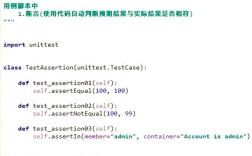
- Test Runner: A dedicated UI for running
unittest,pytest, anddoctestframeworks. - Green/Red Indicators: See at a glance which tests have passed or failed.
- One-Click Run/Debug: Right-click on a test file, method, or class to run it instantly.
d) Seamless Version Control Integration
PyCharm has first-class support for Git (and other systems like Mercurial and SVN).
- Visual Diff/Merge: See a clear, side-by-side comparison of your changes with the repository.
- In-IDE Committing: Stage changes, write commit messages, and push to remote branches without leaving the IDE.
- Branching & Merging: Manage branches and resolve merge conflicts with a dedicated visual tool.
e) Professional Database Tools (Professional Edition)
This is a massive time-saver. Connect directly to databases (MySQL, PostgreSQL, SQLite, etc.) from within PyCharm.

- SQL Editor: Write, run, and debug SQL queries.
- Data Editor: View and edit table data in a spreadsheet-like grid.
- Schema Visualization: See your database schema and relationships.
f) Scientific Tools & Jupyter (Professional Edition)
Perfect for data science and machine learning.
- Jupyter Notebook Support: Run Jupyter notebooks directly in the editor with full rendering of markdown, images, and plots.
- Interactive Plots: Matplotlib and Plotly plots are rendered inline and can be zoomed and manipulated.
- Data Viewer: Inspect and explore data frames (from Pandas) and NumPy arrays in a dedicated viewer.
How to Get Started: A Quick Guide
-
Download: Go to the official PyCharm website and download the Community or Professional version.
-
Install: Run the installer. It's straightforward and available for Windows, macOS, and Linux.
-
First Project:
- Open PyCharm and select "New Project".
- Give your project a name and a location.
- Choose a New environment using Virtualenv. This is highly recommended as it creates an isolated space for your project's dependencies, preventing conflicts.
- Click "Create".
-
Create Your First File:
- In the Project tool window on the left, right-click your project folder.
- Select New > Python File.
- Name it
hello.py.
-
Write and Run Code:
def greet(name): """A simple function to greet someone.""" return f"Hello, {name}!" if __name__ == "__main__": user_name = input("Enter your name: ") message = greet(user_name) print(message)- To run the code, right-click anywhere in the editor and select 'Run hello'. The output will appear in the "Run" tool window at the bottom.
PyCharm vs. Other Popular Python Tools
| Tool | Type | Best For | Pros | Cons |
|---|---|---|---|---|
| PyCharm | IDE | Full-stack, professional, large projects | Unmatched intelligence, deep integration, all-in-one solution | Can be resource-heavy, has a learning curve, paid for Pro features |
| VS Code | Code Editor | Web development, data science, versatility | Lightweight, huge extension marketplace, free, highly customizable | Less intelligent out-of-the-box than PyCharm, requires more setup for a full Python experience |
| Jupyter Notebook | Notebook | Data analysis, machine learning, interactive exploration | Excellent for live code, data, and narrative, great visualization | Not a full IDE, poor for large application development |
| Sublime Text / Vim | Text Editor | Speed, minimalism, customization | Extremely fast and lightweight, highly keyboard-driven | Steep learning curve, requires extensive setup to be a good Python environment |
In short:
- Choose PyCharm if you want a powerful, all-in-one tool that just works and helps you write better, cleaner code with less friction.
- Choose VS Code if you want a lightweight, flexible editor that can handle almost anything with the right extensions.
- Choose Jupyter if your primary focus is data exploration and interactive analysis.
Tips for a Better PyCharm Experience
- Learn the Shortcuts: This is the single biggest productivity boost. Start with basics like
Ctrl + B(Go to Declaration),Ctrl + Alt + L(Reformat Code), andCtrl + Shift + F10(Run). - Use the Terminal: PyCharm has a built-in terminal at the bottom. It's automatically configured with your project's virtual environment, so you can run
pip install,git, or any other command without switching windows. - Customize Your Keymap: If you're coming from another editor (like VS Code or Eclipse), you can import its keymap in Settings/Preferences > Keymap.
- Install Plugins: PyCharm supports a rich plugin ecosystem. Go to Settings/Preferences > Plugins to find tools for Markdown, Docker, or other frameworks.
Conclusion
JetBrains PyCharm is an exceptional tool for Python developers of all levels. Its Community Edition is a fantastic starting point that provides a professional-grade experience for free, while the Professional Edition unlocks a suite of powerful tools for web development, data science, and complex database work. Its intelligent code analysis, debugger, and integrated tooling make it a top choice for building robust Python applications efficiently.