Of course. "Python verify failed" is a very common error, but it's not a standard Python error message itself. It's a symptom, and the actual cause can vary wildly depending on the context.
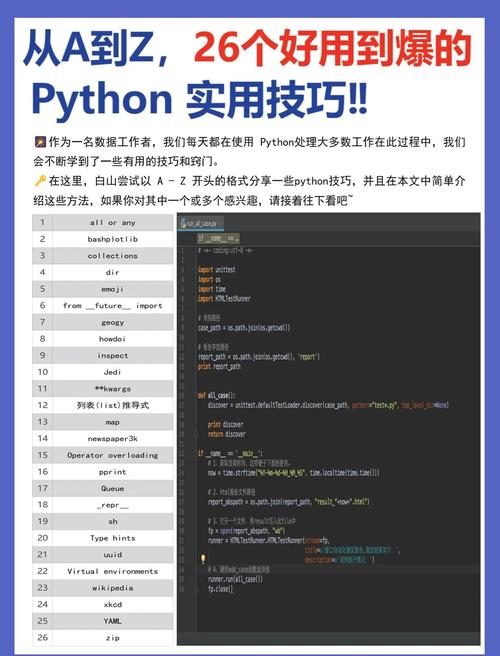
To help you, I'll break down the most common scenarios where you might see this message, what the real error is, and how to fix it.
Scenario 1: pip is trying to install a package but fails
This is the most frequent cause. The error "verify failed" usually appears when pip is downloading a package from the internet and something goes wrong with the connection or the downloaded file.
Common Causes & Solutions:
A) Network Connection Issues (SSL/TLS Handshake Failed)
Modern Python uses secure connections (HTTPS) to download packages. If your network is unstable, using a corporate proxy, or has a firewall that blocks these connections, the SSL verification can fail.

Error Messages you might see:
pip install ...: Could not fetch URL ...: SSL: CERTIFICATE_VERIFY_FAILEDpip install ...: HTTPSConnectionPool ...: Max retries exceededpip install ...: [SSL: CERTIFICATE_VERIFY_FAILED] certificate verify failed: self signed certificate
Solutions:
-
Try Again: Sometimes it's just a temporary glitch. Run the command again.
pip install <package_name>
-
Update Certificates (macOS): If you're on a Mac, the system's certificate store might be outdated. Run this command to update it and try again.
 (图片来源网络,侵删)
/Applications/Python\ 3.x/Install\ Certificates.command
(Replace
xwith your Python version, e.g.,10). -
Disable SSL Verification (Temporary / Not Recommended): This bypasses the security check. Only do this if you trust the network and are sure it's a network issue.
pip install --trusted-host pypi.org --trusted-host pypi.python.org --trusted-host files.pythonhosted.org <package_name>
-
Check Proxy/Firewall: If you're on a corporate network, you might need to configure
pipto use a proxy.pip install --proxy http://user:password@proxyserver:port <package_name>
B) Corrupted Download or File System Issues
The package file might have been corrupted mid-download, or there could be a problem with your disk.
Error Messages you might see:
ERROR: Could not install packages due to an OSError: [Errno 13] Permission denied: '/Library/Python/3.x/site-packages/...'ERROR: Cannot unpack file ...; it has an unknown archive format.Hash mismatch ... Expected ... but got ...
Solutions:
-
Clear
pip's Cache: A corrupted file might be stuck in the cache. Clear it and try again.pip cache purge pip install <package_name>
-
Check Permissions: You might not have permission to write to the installation directory. Using
sudois generally discouraged as it can break system Python. It's better to use a virtual environment (see below).# The "safer" way if you must install globally pip install --user <package_name>
-
Check Disk Space: Run
df -hin your terminal to see if you have enough free space.
Scenario 2: Verifying a Cryptographic Signature
This is a more advanced use case. You might be using a tool like gpg to verify a Python package's signature (e.g., a .tar.gz file from PyPI).
Error Message you might see:
gpg --verify package.tar.gz.asc package.tar.gzgpg: ...: No public keygpg: BAD signature from ...
Solutions:
- No Public Key: The signer's public key is not in your keyring. You need to import it first. Find the public key (often on the project's website or GitHub page) and import it.
gpg --import signer_public_key.gpg
- BAD Signature: The file has been tampered with or is corrupted. Do not trust the file. Download it again from the official source.
Scenario 3: Verifying Code Quality or Style
You might be using a tool like pytest with a custom plugin, or a linter like pylint or flake8, and the script is designed to exit with a "failure" status if verification fails.
Example with pytest:
# test_my_code.py
def test_something():
    assert 1 == 2  # This will fail
Running this would produce an error, and a CI/CD system might label this as "verification failed."
Solution: Fix the code that is causing the assertion or linting error.
# test_my_code.py (corrected)
def test_something():
    assert 1 == 1  # This will pass
Scenario 4: Verifying a Python Virtual Environment
This is less common, but you might have a script that checks if a virtual environment is correctly set up.
Solution: Ensure you are activating the virtual environment correctly before running your script.
# Create and activate the venv
python -m venv myenv
source myenv/bin/activate  # On Windows: myenv\Scripts\activate
# Now run your script
python my_script.py
Best Practice: Use a Virtual Environment
90% of installation-related problems can be solved by using a virtual environment. It isolates your project's dependencies from your system's global Python, preventing conflicts and permission issues.
How to use one:
-
Navigate to your project directory:
cd my_project
-
Create the virtual environment:
python -m venv venv
(This creates a
venvfolder in your project). -
Activate it:
- macOS/Linux:
source venv/bin/activate
- Windows (Command Prompt):
.\venv\Scripts\activate
- Windows (PowerShell):
.\venv\Scripts\Activate.ps1
You'll see
(venv)at the beginning of your command prompt.
- macOS/Linux:
-
Now, install your packages:
pip install <package_name>
The package will now be installed only inside this
venv. -
When you're done, deactivate it:
deactivate
Summary: What to Do First
- Identify the Context: Are you installing a package with
pip? Verifying a GPG signature? Running a test? - If it's
pip:- Try the command again.
- If it's a network error, try updating certificates (macOS) or using the
--trusted-hostflag as a last resort. - Clear the
pipcache:pip cache purge. - Strongly recommend: Create and use a virtual environment.
- If it's GPG: Import the public key or re-download the file.
- If it's a test/linter: Read the specific error message to find the failing line of code and fix it.