Of course! Here is a comprehensive guide to getting Java running on Windows 7, including which versions to use, how to install them, and how to verify everything is working.
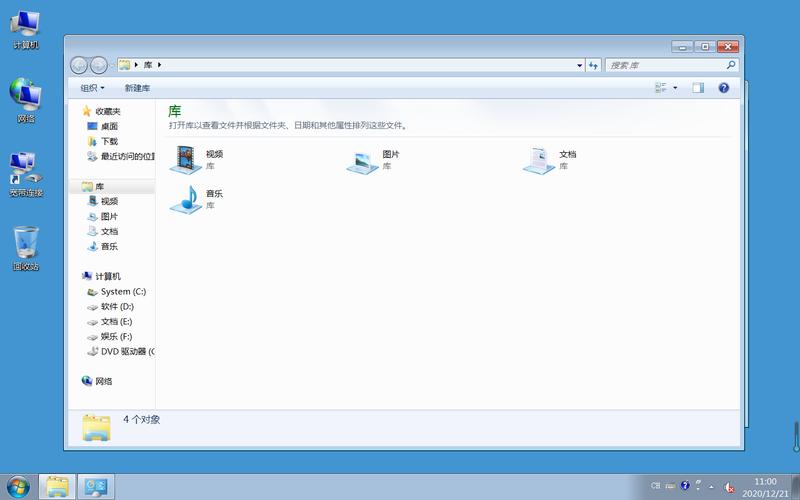
Important Note: Windows 7 Support Has Ended
First, a crucial point: Microsoft ended mainstream support for Windows 7 in January 2025 and extended support in January 2025. This means:
- No Security Updates: Your system is vulnerable to new security threats.
- Browser Compatibility: Modern web browsers (like Chrome, Firefox, Edge) will no longer run on Windows 7.
- Java Compatibility: Oracle and OpenJDK have also stopped releasing newer versions of Java for Windows 7.
This guide will help you install a last-supported version of Java, but be aware of the security risks.
Step 1: Choose the Right Java Version for Windows 7
You have two main types of Java to choose from. For most users, OpenJDK is the recommended choice.
Option A: OpenJDK (Recommended)
OpenJDK is a free, open-source implementation of the Java Platform. It's modern, widely used, and doesn't have the restrictive licensing of older Oracle versions.
-
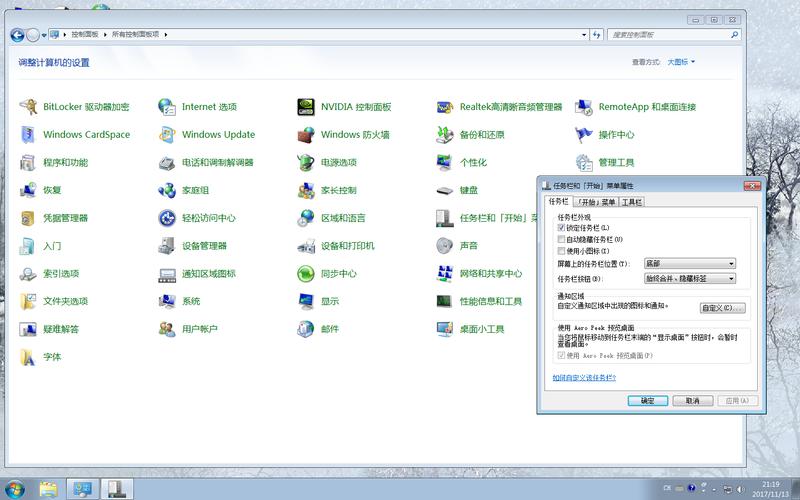
Best Choice for Windows 7: OpenJDK 8 or OpenJDK 11.
- OpenJDK 8 (LTS): This is the most common version for legacy systems and is still very stable. It's the safest bet.
- OpenJDK 11 (LTS): A newer Long-Term Support version. It also works well on Windows 7 and is a good choice if your application requires Java 11 features.
-
Where to Download:
- Eclipse Temurin: A popular, high-quality build of OpenJDK. This is a great, reliable source.
- Download Link: Eclipse Temurin Previous Releases
- On that page, filter for Version 8, OS: Windows, and Architecture: x64. Download the latest "JDK" installer.
- Microsoft Build of OpenJDK: Another excellent, high-quality option from Microsoft.
- Download Link: Microsoft Build of OpenJDK 8
- Eclipse Temurin: A popular, high-quality build of OpenJDK. This is a great, reliable source.
Option B: Oracle Java SE Development Kit (JDK)
This is the official version from Oracle. It's also free to use, but its licensing has changed over time. For Windows 7, you need an older version.
-
Best Choice for Windows 7: Oracle JDK 8.
 (图片来源网络,侵删)
You cannot install newer versions like JDK 11 or 17 from the official Oracle website on Windows 7. The installers will block it.
-
Where to Download:
- You will need to find an archived version. A reliable source is Java.com's archive.
- Download Link: Oracle Java Archive
- On that page, accept the license agreement and download the "JDK" for Windows x64.
Step 2: Install Java on Windows 7
The installation process is very similar for all the versions mentioned above.
- Download the Installer: Get the
.exefile from one of the links in Step 1. - Run the Installer: Double-click the downloaded file to begin the installation.
- Follow the Installation Wizard:
- You will see a welcome screen. Click Next.
- Choose the installation directory. It's highly recommended to leave the default path (e.g.,
C:\Program Files\Java\jdk1.8.0_XXX). This makes it easier for system tools to find Java. - Click Next and then Install. The installer will run.
- When it's finished, click Close.
The installer usually configures the necessary system environment variables (JAVA_HOME and Path) for you automatically.
Step 3: Verify the Installation (Very Important!)
You must open a new Command Prompt window for the changes to take effect. The easiest way is to search for "cmd" and select "Command Prompt".
Check the Java Version
This command confirms that Java is installed and accessible from the command line.
java -version
You should see output similar to this (the version number and vendor will vary):
java version "1.8.0_361"
Java(TM) SE Runtime Environment (build 1.8.0_361-b09)
Java HotSpot(TM) 64-Bit Server VM (build 25.361-b09, mixed mode)
If you get an error like "'java' is not recognized...", the system's Path variable was not set correctly. See the troubleshooting section below.
Check the Java Compiler (JDK) Version
This command confirms that the full JDK (including the compiler javac) was installed correctly.
javac -version
You should see output like this:
javac 1.8.0_361If this command works but java -version doesn't, you likely installed the JRE (Java Runtime Environment) instead of the JDK. You need to download and install the JDK.
Step 4: (Optional but Recommended) Set JAVA_HOME Manually
Sometimes, installers fail to set the JAVA_HOME environment variable, which some applications (like IDEs such as Eclipse or IntelliJ) require.
-
Find Your Java Installation Path:
- Open File Explorer and navigate to
C:\Program Files\Java. - You will see a folder named something like
jdk1.8.0_361. The exact name is your installation path.
- Open File Explorer and navigate to
-
Set the
JAVA_HOMEVariable:- Right-click on the Start button and select System.
- Click on Advanced system settings on the left.
- In the System Properties window, click the Environment Variables... button.
- Under the "System variables" section (the bottom box), click New....
- Variable name:
JAVA_HOME - Variable value: Paste the path to your JDK folder (e.g.,
C:\Program Files\Java\jdk1.8.0_361). - Click OK on all windows to save.
-
Update the
PathVariable:- In the same "Environment Variables" window, find the
Pathvariable in the "System variables" list and click Edit.... - Click New and add
%JAVA_HOME%\bin. This tells Windows to look for programs inside the Javabindirectory. - Important: Make sure this new entry is at the top of the list to ensure it's found before any older Java versions.
- Click OK on all windows.
- In the same "Environment Variables" window, find the
-
Re-test: Close your Command Prompt and open a new one. Run
java -versionagain to confirm it works.
Troubleshooting
-
Problem:
'java' is not recognized as an internal or external command...- Cause: The
Pathenvironment variable is not set correctly. - Solution: Follow the instructions in Step 4 to manually set the
JAVA_HOMEandPathvariables.
- Cause: The
-
Problem: The installer says "This version of Windows is not supported."
- Cause: You are trying to install a modern version of Java (e.g., JDK 11 or 17) on Windows 7.
- Solution: You must download one of the last-supported versions recommended in Step 1 (OpenJDK 8 or Oracle JDK 8).
-
Problem:
javacis not found, butjavais.- Cause: You installed the JRE (Java Runtime Environment) instead of the JDK (Java Development Kit).
- Solution: You need to download and install the JDK, which includes both the runtime (
java) and the compiler (javac). The download links in Step 1 point to the JDK.