Of course! "Chanel Boy" in the context of Python almost certainly refers to the Chanel Boy Bag. It's a very popular and iconic luxury handbag, and people often search for it using keywords like "Chanel Boy Bag Python" to find versions made from exotic python leather.
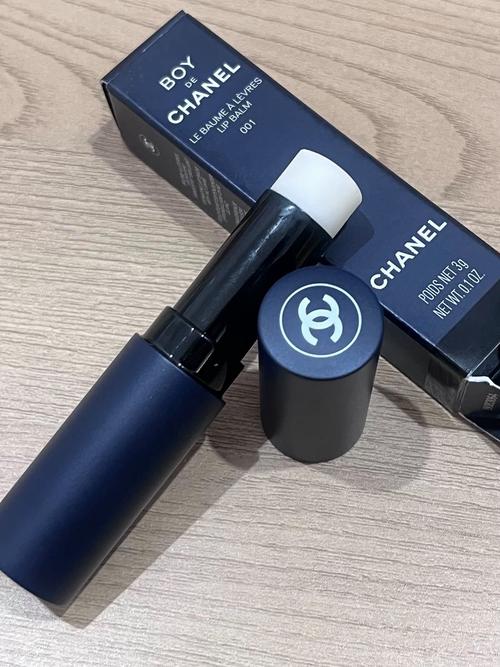
Here’s a complete breakdown covering everything from the bag itself to how you might use the term in a Python program.
The Chanel Boy Bag (The Fashion Item)
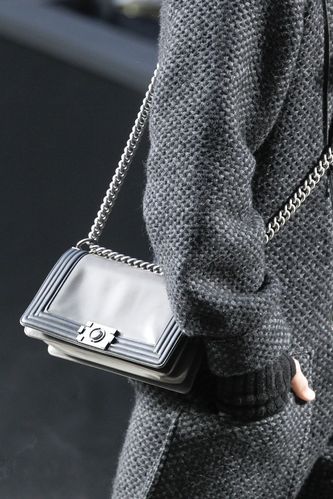
The Chanel Boy Bag is a celebrated handbag from the French luxury fashion house Chanel. It was first introduced in 2008 and is known for its edgier, more modern, and androgynous aesthetic compared to Chanel's classic flap bags.
Key Features:
- Design: Features a distinctive "hinged" clasp closure that resembles a gun's hammer or a boy's belt buckle.
- Hardware: Typically comes in either silver-tone or gold-tone hardware.
- Strap: Often comes with a combination of a chain-link shoulder strap and a leather strap, allowing for different carrying styles (shoulder or crossbody).
- Materials: Made from a variety of leathers, lambskin, caviar leather, and of course, exotic skins like alligator and python.
The "Python" Version
The Python version of the Boy Bag is particularly sought-after due to the unique texture and pattern of the python skin.
- Texture: The natural scales of the python create a beautiful, tactile, and high-shine finish.
- Color: It comes in a range of colors, from classic black and beige to seasonal vibrant hues.
- Luxury & Price: The python version is one of the more expensive and luxurious options in the Boy Bag family, making it a status symbol.
In short: When someone says "Chanel Boy Python," they mean the Chanel Boy Bag made from python leather.
"Chanel Boy" in Python (The Programming Language)
This is where we get creative! While Python the language has nothing to do with the fashion brand, you can absolutely use it to create a program related to the "Chanel Boy Python" bag. Here are a few fun and practical examples.
Example 1: A Simple Chanel Bag Inventory
This program creates a class to represent a Chanel bag and stores a collection of them in a list.
# A class to represent a Chanel Bag
class ChanelBag:
    def __init__(self, name, material, color, price, hardware):
        self.name = name
        self.material = material
        self.color = color
        self.price = price
        self.hardware = hardware
    def __str__(self):
        # A nice, readable string representation of the bag
        return f"{self.name} ({self.material}, {self.color}, {self.hardware} hardware) - ${self.price:,.2f}"
# --- Main Program ---
# Create a list to hold our collection of Chanel bags
chanel_collection = []
# Add some bags to our collection
# The star of the show!
boy_python = ChanelBag(
    name="Boy Bag",
    material="Python",
    color="Black",
    price=12500,
    hardware="Gold"
)
# Some other popular models for comparison
classic_flap = ChanelBag(
    name="Classic Flap Bag",
    material="Caviar Leather",
    color="Black",
    price=8900,
    hardware="Silver"
)
chanel_collection.append(boy_python)
chanel_collection.append(classic_flap)
# --- Let's interact with our collection ---
print("Welcome to the Chanel Bag Collection!")
print("-" * 40)
# Print out all the bags in our collection
print("Our Current Collection:")
for bag in chanel_collection:
    print(f"- {bag}")
print("-" * 40)
# Find the most expensive bag
most_expensive_bag = max(chanel_collection, key=lambda bag: bag.price)
print(f"The most expensive bag in the collection is the {most_expensive_bag.name}.")
# Search for a specific bag
search_term = "Python"
print(f"\nSearching for bags with material: '{search_term}'")
found_bags = [bag for bag in chanel_collection if search_term.lower() in bag.material.lower()]
if found_bags:
    for bag in found_bags:
        print(f"Found: {bag}")
else:
    print("No bags found with that material.")
Example 2: A Price Estimator (Simplified)
This program takes user input to estimate the price of a Boy Bag based on its features. This is a simplified model, as real pricing is much more complex.
def estimate_boy_bag_price():
    """
    A simplified function to estimate the price of a Chanel Boy Bag.
    """
    base_price = 7500  # Starting price for a standard Boy Bag in caviar leather
    print("Chanel Boy Bag Price Estimator")
    print(f"Base Price: ${base_price:,}")
    print("-" * 30)
    # Material selection
    material = input("Select material (Caviar/Python): ").lower()
    if material == "python":
        base_price += 4000  # Python is a significant upcharge
        print("Upcharge for Python: +$4,000")
    elif material == "caviar":
        print("Material: Caviar Leather (no upcharge)")
    else:
        print("Invalid material. Defaulting to Caviar.")
    # Size selection
    size = input("Select size (Medium/Large): ").lower()
    if size == "large":
        base_price += 1000
        print("Upcharge for Large size: +$1,000")
    else:
        print("Size: Medium (no upcharge)")
    # Hardware selection
    hardware = input("Select hardware (Gold/Silver): ").lower()
    if hardware == "gold":
        # Gold hardware might have a small upcharge on certain models
        print("Hardware: Gold")
    else:
        print("Hardware: Silver")
    # Final price
    print("-" * 30)
    print(f"Estimated Total Price: ${base_price:,}")
    print("\nDisclaimer: This is a simplified estimate for entertainment purposes only.")
# Run the estimator
estimate_boy_bag_price()
Summary
| Context | Meaning | Key Takeaway |
|---|---|---|
| Fashion | The Chanel Boy Bag made from python leather. A high-end luxury handbag known for its modern design and exotic skin. | |
| Programming | A fun theme for a Python script. You can use Python to create programs that manage a collection, estimate prices, or just play with data related to the bag. | Python the language is a tool. You can apply it to any topic you're interested in, even luxury fashion! |