Of course. This is a great question that touches on a very important aspect of software development: version compatibility and support lifecycles.
Let's break this down into a clear answer.
The Short Answer
You cannot and should not install the modern NumPy package for Python 3.3.
Here's why:
- End of Life (EOL): Python 3.3 reached its official End of Life on September 29, 2025. This means it no longer receives security updates, bug fixes, or any kind of support.
- Incompatible NumPy Versions: The current versions of NumPy (e.g., 1.20+) are compiled against newer C libraries and require features from newer Python versions (like 3.6+). They will not install or run on Python 3.3.
- Security Risks: Running any software on an EOL Python version like 3.3 is a significant security risk. It contains known vulnerabilities that will never be patched.
The Detailed Explanation: Why This Happens
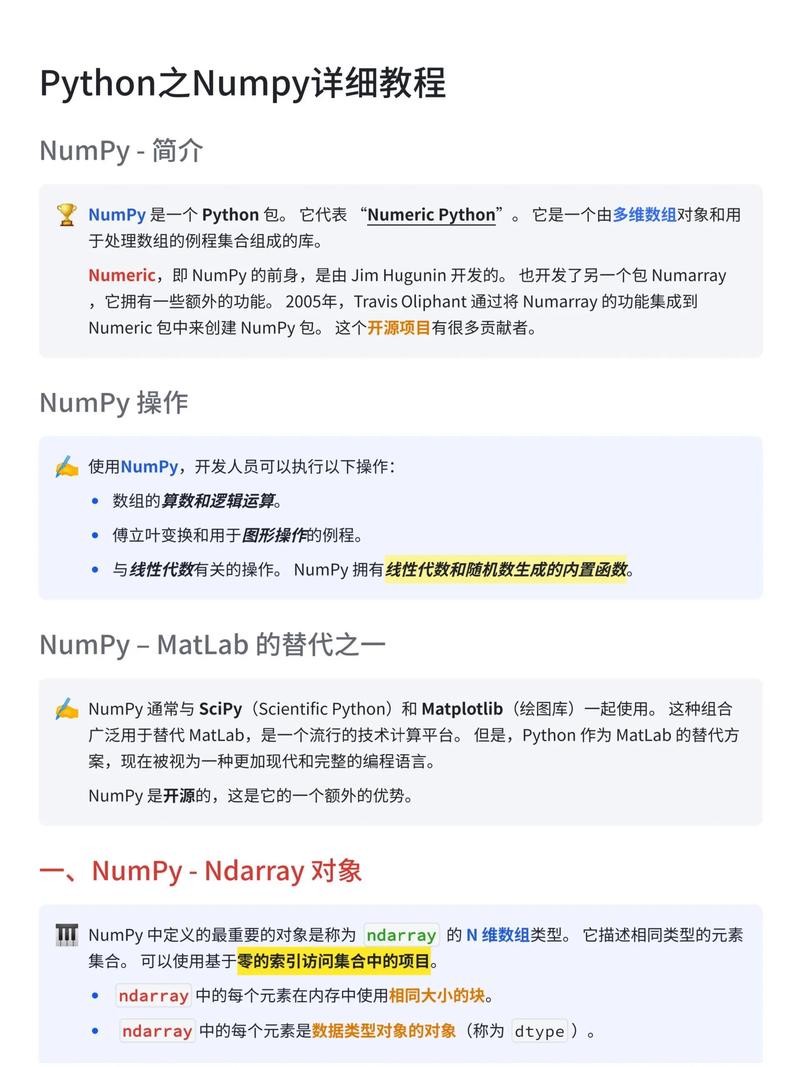
Software packages like NumPy are not just Python code. They are a mix of:
- Pure Python code: The logic and algorithms written in Python.
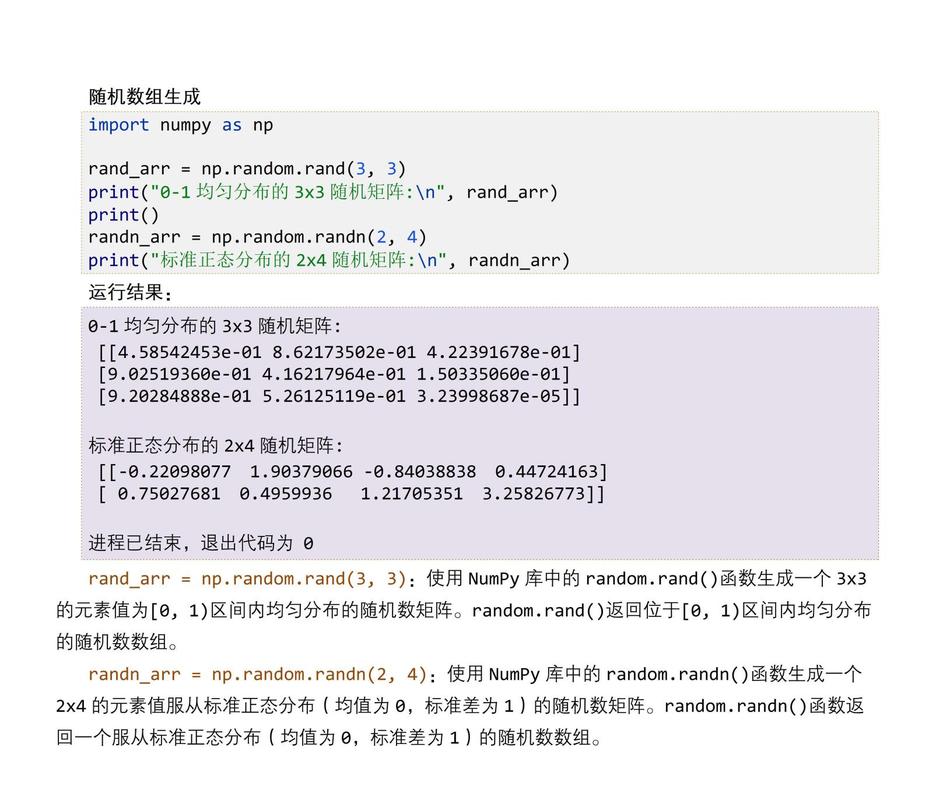
- C/C++ code: Performance-critical parts (like array operations, linear algebra, random number generation) that are compiled into a shared library.
This compiled C code is what makes NumPy so fast. When you install a new version of NumPy, you are also installing a new version of this compiled library.
The Compatibility Chain:
Your NumPy Version -> Requires a C Compiler Toolchain -> That C Compiler Toolchain was built for a specific Python Version -> Which requires a specific Operating System
When Python 3.3 was current, the C compilers and standard libraries used to build NumPy were older. Modern NumPy is built with toolchains that target Python 3.6+ and cannot be linked to the ancient Python 3.3 runtime.
What Should You Do? (The Recommended Solutions)
You have two excellent options, depending on your goal.
Solution 1: Upgrade Your Python (Highly Recommended)
This is the best and most future-proof solution. Python 3.3 is ancient by modern standards. Upgrading will give you access to:
- Massive Performance Gains: Modern Python (3.8+) is significantly faster than 3.3.
- The Latest Language Features: F-strings, type hints,
async/await, and much more. - A Vast Ecosystem: You can use the latest versions of NumPy, Pandas, Matplotlib, Scikit-learn, and virtually every other modern data science library.
- Security: You will be protected against known vulnerabilities.
How to Upgrade:
-
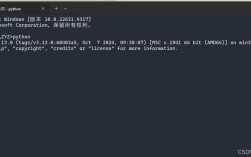
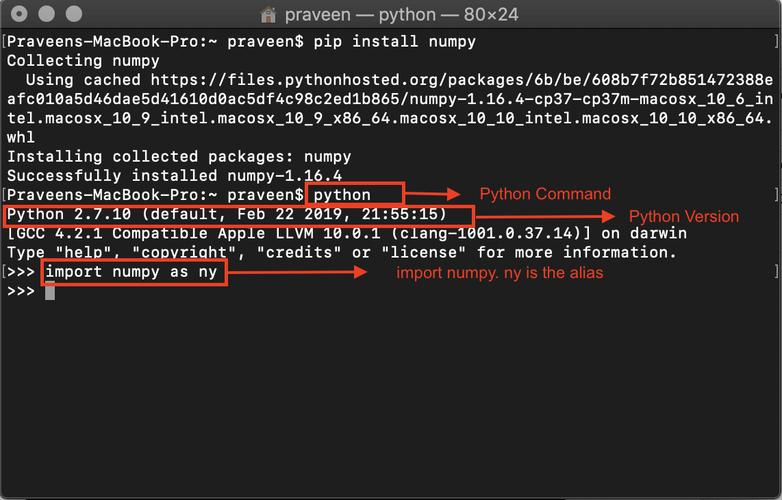
Check your current Python version:
python --version
# or
python3 --version
-
Install a modern version of Python (e.g., Python 3.10 or 3.11) from the official Python website.
-
Use a Virtual Environment (Best Practice): This keeps your projects isolated and avoids conflicts.
# 1. Install a modern Python (e.g., 3.10)
# 2. Create a virtual environment for your project
python3.10 -m venv my_project_env
# 3. Activate the environment
# On macOS/Linux:
source my_project_env/bin/activate
# On Windows:
.\my_project_env\Scripts\activate
# 4. Now, you can install the latest NumPy
pip install numpy
Solution 2: Use a Docker Container (For Legacy Systems)
If you absolutely must work with code that is stuck on Python 3.3 (e.g., maintaining a legacy system you cannot change), you can use a Docker container. This isolates the old environment safely on your modern machine.
How to use Docker:
- Install Docker on your system.
- Find a Python 3.3 Docker image. You can use one from the Docker Hub, like
python:3.3-slim. - Run a container and install the last compatible NumPy version inside it.
Example:
# Run an interactive shell inside a Python 3.3 container
docker run -it --rm python:3.3-slim bash
# Inside the container:
# 1. Check the Python version
python --version
# Output: Python 3.3.7
# 2. Upgrade pip (the package manager)
pip install --upgrade pip
# 3. Install the LAST compatible version of NumPy for Python 3.3
# You can find this by checking the NumPy release history.
# The last version to support Python 3.3 was 1.16.6.
pip install numpy==1.16.6
# 4. Verify the installation
python -c "import numpy; print(numpy.__version__)"
# Output: 1.16.6
Note: Even with this method, you are still using an insecure and unsupported version of Python and NumPy. It should only be used as a last resort for legacy code maintenance.
Summary Table
| Action | Pros | Cons | Recommendation |
|---|---|---|---|
| Upgrade Python | Fast, secure, modern, access to latest libraries. | Requires changing your development environment. | Highly Recommended for all new projects. |
| Use Docker | Isolates legacy environment, keeps host machine clean. | Still uses insecure software, complex setup. | Only for maintaining legacy code on Python 3.3. |
| Try to force install | Will fail. | Wastes time, can break your Python installation. | Do not do this. |
Conclusion: The path forward is to upgrade your Python version. The ecosystem has moved on, and staying on Python 3.3 will only lead to frustration and security issues.