Of course! This is an excellent combination for building modern, maintainable web applications. Let's break down what each component does, how they work together, and what this stack is best for.
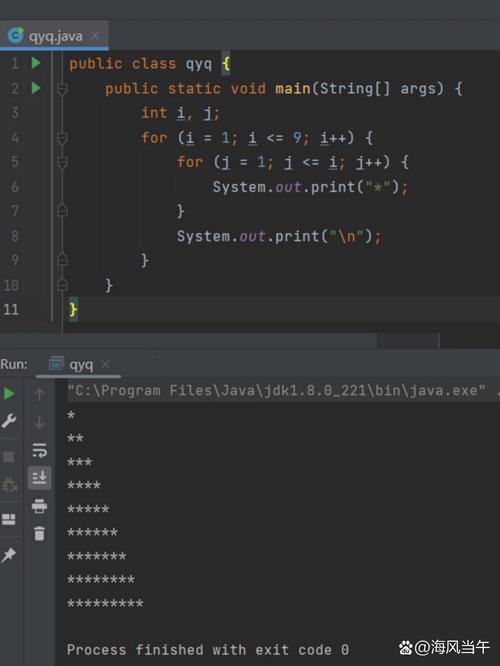
The Core Concept: A Powerful Trio
Think of it like building a house:
- Java: The foundation and structural framework. It's robust, scalable, and provides the core logic and business rules. It's the engine of your application.
- CMS (Content Management System): The pre-built plumbing and electrical system. It handles the "boring but essential" stuff like user authentication, managing content pages, menus, and media files. You don't have to build this from scratch.
- Bootstrap: The interior design and paint. It's a front-end framework that gives you a collection of pre-styled components (buttons, forms, navigation bars) and a responsive grid system. This ensures your website looks good and works well on any device (desktop, tablet, mobile).
When you combine them, you get a system that is both powerful (Java) and easy to manage (CMS) with a beautiful, professional user interface (Bootstrap).
Java (The Backend)
Java is the programming language that runs on the server. It's responsible for:
- Business Logic: The core rules of your application (e.g., calculate a price, process a form submission).
- Database Interaction: Storing and retrieving data from a database (e.g., user accounts, product details, CMS content).
- APIs: Providing data to your front-end, often in a format like JSON.
- Security: Managing user authentication (who is logged in) and authorization (what they can do).
Popular Java frameworks used for this stack include Spring Boot and Jakarta EE (formerly Java EE). Spring Boot is the dominant choice today due to its simplicity and rapid development capabilities.
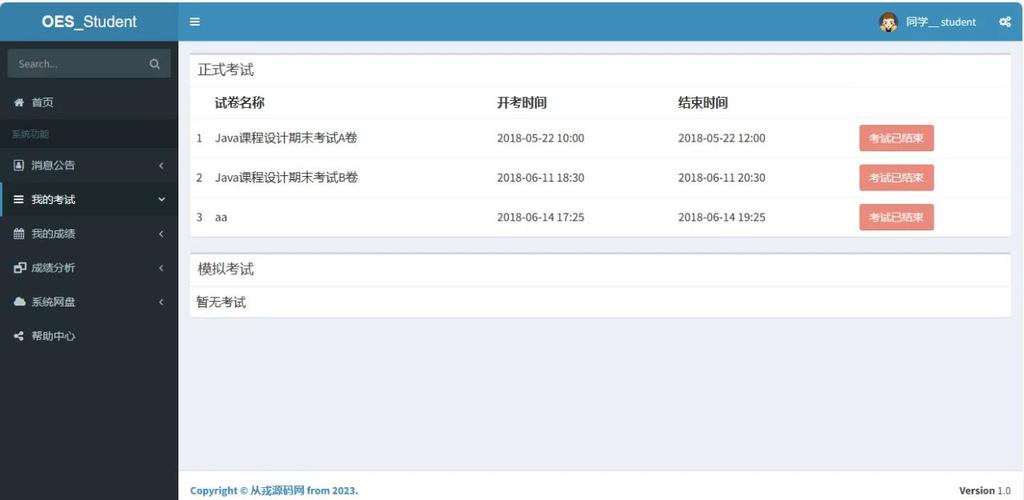
A Java-Based CMS (The Content Management Hub)
This is the most critical part of the stack. You need a CMS that is built on or integrates well with Java. Here are the top options:
A. Apache Sling (The Most Flexible & Modern Choice)
- What it is: A RESTful-based framework for creating content applications. It's not a monolithic CMS but a set of tools for building your own content-centric applications.
- Why it's a great fit:
- JCR (Java Content Repository): At its heart is the Apache Jackrabbit or Apache Jackrabbit Oak content repository. This is a specialized database designed for storing hierarchical content (like a website's pages, assets, and metadata), which is perfect for a CMS.
- RESTful: Content is exposed as REST resources. A page at
/content/mysite/about-usis a resource you can access via a URL. This makes it incredibly flexible for front-end developers. - Scripting Support: You can use server-side JavaScript, JSP, or Freemarker templates to render content, which decouples your content from your presentation logic.
- Part of the AEM Ecosystem: Sling is the foundation of Adobe Experience Manager (AEM), the enterprise-grade leader in digital experience platforms. This means you get a powerful, scalable, and feature-rich system.
- Best for: Large-scale enterprises, complex websites, headless CMS implementations, and applications where content is the primary focus.
B. Magnolia CMS (The "Out-of-the-Box" Enterprise Choice)
- What it is: A user-friendly, open-source enterprise CMS built on top of Sling and Jackrabbit.
- Why it's a great fit:
- Excellent UI: It comes with a very polished and intuitive back-end interface for content authors, which is often easier to use than AEM's.
- Ready-to-Use: It provides many features out of the box (templating, modules, workflows) so you don't have to build everything from scratch like you might with pure Sling.
- Hybrid Architecture: It can work as a traditional CMS (server-side rendering) or as a headless CMS (delivering content via APIs).
- Best for: Mid-to-large-sized businesses that need a powerful, user-friendly CMS without the complexity and cost of AEM.
C. Jahia (The Digital Experience Platform)
- What it is: A Digital Experience Platform (DXP) that combines a CMS, portal, and engagement engine.
- Why it's a great fit:
- Content-First: It's designed to manage content across multiple channels (web, mobile, IoT).
- Headless & Decoupled: It has strong support for headless architectures and is built on a modern, decoupled architecture.
- Comprehensive: Includes features for personalization, workflow management, and multilingual support out of the box.
- Best for: Organizations that need a full DXP to manage complex, multi-channel customer experiences.
Bootstrap (The Frontend)
Bootstrap is a CSS framework that you include in your project. It provides:
- Responsive Grid System: A 12-column grid that makes it easy to create layouts that adapt to any screen size.
- Pre-built Components: Buttons, forms, modals, carousels, navigation bars, etc. You just add the right classes to your HTML to style them.
- JavaScript Widgets: Interactive components like dropdowns and tabs that are enhanced with jQuery or its own JavaScript.
How it connects: You integrate Bootstrap into your front-end templates.
- If you are using a server-side templating engine (like JSP, Thymeleaf, or Freemarker with Sling), you would include the Bootstrap CSS and JS files in your main layout file.
- If you are building a headless architecture (see below), your front-end is a separate project (e.g., a React or Vue.js app). This front-end app would fetch content from the Java CMS via an API and use Bootstrap (or a similar framework like Tailwind CSS) to style the components.
How They Work Together: Two Main Architectures
There are two primary ways to combine these technologies.
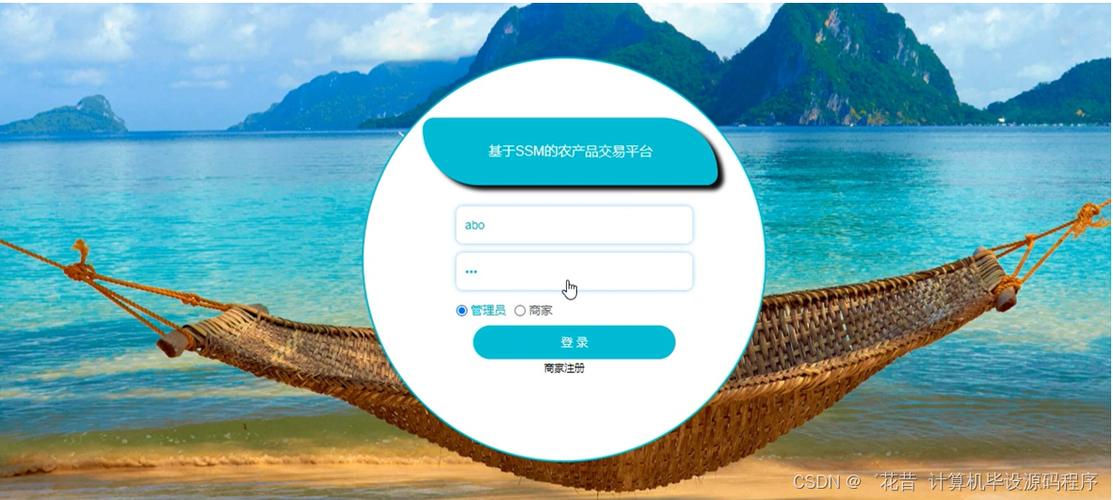
Architecture 1: Traditional (Server-Side Rendering)
This is the classic CMS model.
- A user requests a page, e.g.,
www.mysite.com/about-us. - The request hits your Java application (running on Spring Boot or Sling).
- The Java app queries the CMS (Sling/Jackrabbit) to get the content for the "About Us" page.
- The Java app selects a Bootstrap-styled template (e.g., a JSP or Freemarker file).
- The template is rendered on the server, combining the CMS content with the Bootstrap HTML/CSS.
- The final, fully-formed HTML page is sent to the user's browser.
Pros: Fast initial page load, good for SEO, simple to develop. Cons: Can feel less dynamic like a modern Single-Page Application (SPA).
Architecture 2: Headless / Decoupled (The Modern Approach)
This is the most flexible and increasingly popular architecture.
- Your Java CMS (e.g., Apache Sling) acts purely as a content repository and API. It exposes all your content (pages, articles, etc.) via a REST or GraphQL API.
- Your front-end is a completely separate application, built with a JavaScript framework like React, Vue.js, or Angular. This is where Bootstrap comes in. You use it to style the components of your JS app.
- When a user loads the website, the JS app loads and makes an API call to the Java backend to fetch the content it needs.
- The JS app then dynamically renders the content on the user's browser using the Bootstrap-styled components.
Pros: Ultimate flexibility for front-end developers, great performance (can be a SPA), excellent for mobile apps and other digital experiences. Cons: Can be slower for the initial content load (requires an extra API call), more complex to set up.
Summary Table
| Feature | Java (Backend) | Java-Based CMS (e.g., Sling) | Bootstrap (Frontend) |
|---|---|---|---|
| Role | Business Logic, Security, Data Access | Content Storage, Management, APIs | UI Styling, Responsiveness |
| Key Technology | Spring Boot, Jakarta EE | Apache Sling, Magnolia, Jahia | CSS Framework (v5+) |
| Connection | Drives the CMS | Consumed by Java, provides content | Integrated into templates or a JS app |
| Benefit | Scalability, Reliability, Ecosystem | Structured Content, Workflow, Reusability | Fast Development, Consistent Look, Mobile-First |
Getting Started: A Simple Example (Sling + Bootstrap)
Let's imagine you want to display a simple "Welcome" message from your Sling CMS on a Bootstrap-styled page.
Backend (Apache Sling)
- You use the Sling POST servlet to create a content node at
/content/mysite/home/jcr:content. - You add a property to this node, for example