Of course. The phrase "in the Java Sea" can refer to a few different things, from a literal geographical location to a historical period or even a metaphorical state of being. Let's break it down.
The Literal Meaning: A Body of Water
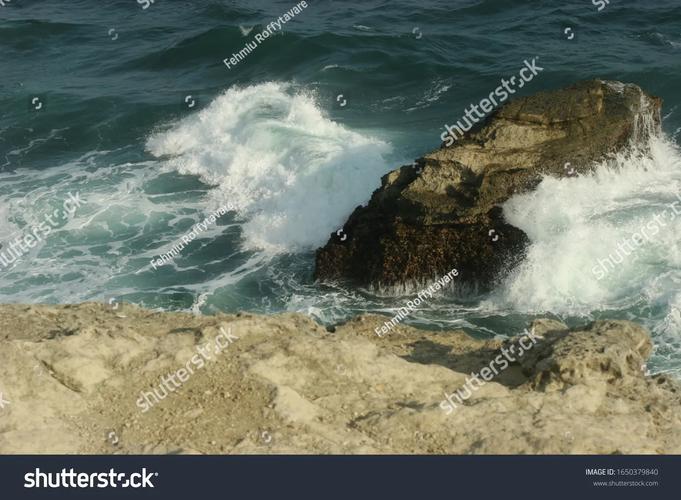
The Java Sea is a shallow, tropical sea located between the Indonesian islands of Borneo (Kalimantan) to the north, Java to the south, Sumatra to the west, and Sulawesi to the east.
Key Characteristics:
- Geography: It's part of the western Pacific Ocean and connects to the South China Sea via the Karimata Strait.
- Ecology: The sea is incredibly rich in marine life. It's a crucial habitat for species like whale sharks, manta rays, dolphins, and sea turtles. Its coral reefs are among the most biodiverse in the world. However, it also faces significant environmental threats from pollution, overfishing, and plastic waste.
- Economy: It's a vital shipping lane for global trade, connecting major ports like Singapore, Jakarta, and Surabaya. The region is also a center for oil and natural gas exploration and fishing.
When someone says "I was in the Java Sea," they most likely mean they were:
- Sailing or on a cruise ship passing through the area.
- Diving or snorkeling to explore its famous coral reefs.
- Working on an offshore oil rig or a commercial vessel.
- Visiting one of the many islands that dot the sea, like the Thousand Islands (Kepulauan Seribu) north of Jakarta.
The Historical Meaning: A Theater of War
For historians and military strategists, "the Java Sea" evokes a very specific and dramatic event from World War II.
The Battle of the Java Sea (February 1942)
This was a decisive naval battle between Allied forces and the Imperial Japanese Navy. The Allies, a combined force of American, British, Dutch, and Australian ships (ABDA fleet), were trying to stop the Japanese invasion of the Dutch East Indies (modern-day Indonesia).
- The Context: Japan was rapidly expanding its empire in the Pacific. The Java Sea was the gateway to the resource-rich islands of the East Indies, particularly oil.
- The Battle: On the night of February 27, 1942, a fleet of Allied cruisers and destroyers engaged a larger Japanese fleet in the dark waters of the Java Sea.
- The Outcome: The battle was a catastrophic defeat for the Allies. Due to poor communication, outdated tactics, and superior Japanese naval training and technology, the Allies lost five cruisers and several other ships within a few hours. The destruction of the ABDA fleet opened the door for the Japanese to conquer the Dutch East Indies unopposed.
To be "in the Java Sea" during this time meant to be in the middle of one of the most significant and disastrous naval battles of the Pacific War.
The Metaphorical Meaning: A State of Chaos or Isolation
Beyond the literal and historical, "the Java Sea" can be used metaphorically.

-
A Sea of Chaos: Like any large, complex body of water, the Java Sea can be unpredictable. A storm can make it a dangerous and chaotic place. Metaphorically, one might say they are "in the Java Sea" when they feel overwhelmed, adrift, or caught in a complex and turbulent situation at work or in their personal life. It implies a sense of being lost in a vast, challenging environment.
-
A Place of Isolation: While it's a busy shipping lane, the sea itself is vast and empty. Being on a small boat in the middle of it can feel incredibly isolating. This metaphor can describe a feeling of being alone, cut off from the world, and surrounded by an indifferent, immense environment.
In Popular Culture
The Java Sea has also appeared in fiction:
- Literature: It is a common setting for adventure novels, especially those by authors like Clive Cussler (e.g., Treasure), where heroes search for lost ships or sunken treasure in its depths.
- Film/TV: The historical battle is depicted in movies like The Battle of the Java Sea (1995) and referenced in others, such as Empire of the Sun (1987), which is set in the broader region.
Summary
So, when you hear the phrase "in the Java Sea," consider the context:
| Context | Meaning | Key Idea |
|---|---|---|
| Literal | The actual sea between Indonesian islands. | Geography, nature, shipping, diving. |
| Historical | Referring to the WWII naval battle. | War, defeat, strategy, 1942. |
| Metaphorical | Describing a state of being. | Chaos, being overwhelmed, isolation. |
It's a phrase that carries the weight of a tropical paradise, the echoes of a great naval tragedy, and the potential to describe the feeling of being lost in a vast, complex world.