Of course! Let's dive deep into System.loadLibrary() in Java. This is a fundamental concept for interacting with native code.

The Big Picture: Why Use Native Code?
Sometimes, Java's standard library isn't enough. You might need to:
- Access hardware directly.
- Use a legacy C/C++ library that you can't or don't want to rewrite in Java.
- Leverage a high-performance, platform-specific library.
- Implement low-level system functionality.
To do this, Java uses the Java Native Interface (JNI), which is a framework that allows Java code running in a JVM to call and be called by native applications (programs specific to a hardware and operating system platform, written in languages like C, C++, or assembly).
System.loadLibrary() is a key part of this process.
System.loadLibrary() vs. System.load()
Before we get into the details, it's crucial to understand the difference between these two methods. They are often confused.

| Feature | System.loadLibrary(String libname) |
System.load(String filename) |
|---|---|---|
| What it loads | A library name (e.g., "mylib"). |
A full, platform-specific file path (e.g., "/usr/lib/libmylib.so" or "C:\\Windows\\System32\\mylib.dll"). |
| How it works | It automatically finds the library on the system's library path. You just provide the name without the platform-specific prefix (lib) or suffix (.so, .dll, .dylib). |
It loads the library from the exact path you provide. It's more direct but less portable. |
| Portability | Highly Portable. The same Java code works on Windows, Linux, and macOS. | Not Portable. The path is hardcoded for a specific OS. You'd need to use System.getProperty("os.name") to build the correct path for different platforms. |
| Common Usage | The standard and recommended way. Used for libraries that are part of your project and expected to be found in the standard library locations. | Used for loading libraries from absolute, non-standard locations, or for loading a specific version of a library that might not be in the default path. |
In short: Always prefer loadLibrary() for portability unless you have a specific reason to use load().
How to Use System.loadLibrary(): A Step-by-Step Guide
Let's create a classic "Hello, World!" example that calls a C function from Java.
Step 1: Write the Java Code
First, we need a Java class that declares a native method. A native method is one whose implementation is provided in a non-Java language (like C).
HelloJNI.java
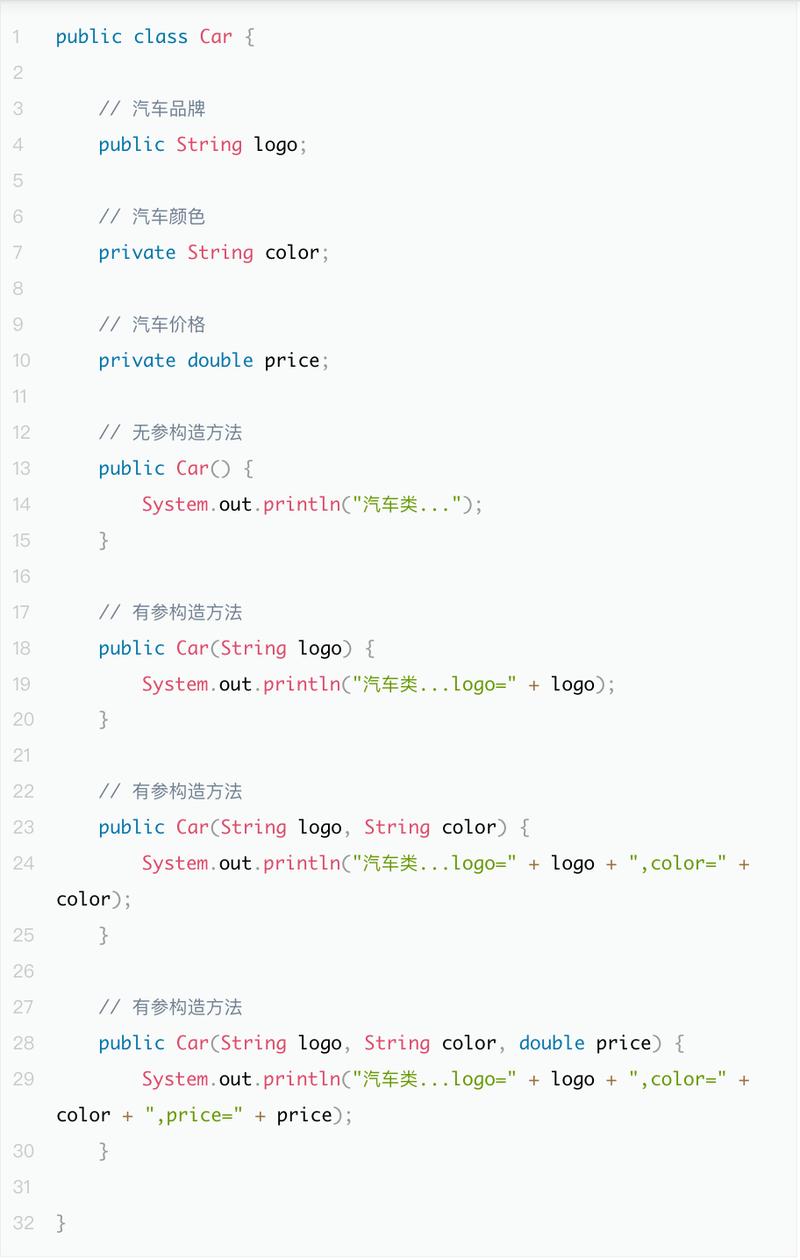
public class HelloJNI {
    // Declare the native method. The implementation is in C/C++.
    public native void sayHello();
    // Load the native library.
    // The JVM will look for a library named "hellojni" (or "libhellojni.so" on Linux, "hellojni.dll" on Windows).
    static {
        System.loadLibrary("hellojni");
    }
    public static void main(String[] args) {
        new HelloJNI().sayHello();
    }
}
Key points:
public native void sayHello();: Thenativekeyword tells the compiler that the implementation for this method is not in Java.static { ... }: This static initializer block is the perfect place to load the library. It's guaranteed to run once when the class is loaded by the JVM, before any other methods in the class are called.
Step 2: Compile the Java Code
Compile the .java file into a .class file.
javac HelloJNI.java
Step 3: Generate the C/C++ Header File (.h)
Now, use the javah command-line tool (available in older JDKs) or the javac -h flag (in newer JDKs) to generate a C/C++ header file. This header file contains the function signature that your C code must implement.
Using javac -h (Modern JDK 8+):
javac -h . HelloJNI.java
This command generates a file named HelloJNI.h in the current directory.
HelloJNI.h (Generated File)
/* DO NOT EDIT THIS FILE - it is machine generated */
#include <jni.h>
/* Header for class HelloJNI */
#ifndef _Included_HelloJNI
#define _Included_HelloJNI
#ifdef __cplusplus
extern "C" {
#endif
/*
 * Class:     HelloJNI
 * Method:    sayHello
 * Signature: ()V
 */
JNIEXPORT void JNICALL Java_HelloJNI_sayHello
  (JNIEnv *, jobject);
#ifdef __cplusplus
}
#endif
#endif
This is the C/C++ "contract". Your C function must be named exactly Java_HelloJNI_sayHello and have the signature (JNIEnv *, jobject).
Step 4: Write the C/C++ Implementation
Now, create a C source file that implements the function declared in the header.
hellojni.c
#include <stdio.h>
#include "HelloJNI.h" // Include the generated header
// Implement the native method
JNIEXPORT void JNICALL Java_HelloJNI_sayHello(JNIEnv *env, jobject obj) {
    printf("Hello from C!\n");
}
JNIEnv *env: This is a pointer to the JNI interface. It allows your C code to call back into the JVM (e.g., to create objects, call Java methods, etc.). We don't need it for this simple example.jobject obj: This is a reference to the Java object instance that called the native method. In our case, it's a reference to thenew HelloJNI()object. We don't need it here either.
Step 5: Compile the C Code into a Native Library
This is the most platform-specific step. You need a C/C++ compiler (like GCC on Linux or Clang on macOS, or Visual Studio on Windows).
On Linux:
# Compile the C file into a shared object (.so)
# -I: Specifies the include directory for jni.h (adjust path as needed)
# -shared: Create a shared library
# -o: Output file name
gcc -I${JAVA_HOME}/include -I${JAVA_HOME}/include/linux -shared -o libhellojni.so hellojni.c
JAVA_HOME: An environment variable pointing to your JDK installation directory.-shared: This flag tells GCC to create a shared library (.sofile).- The output file is
libhellojni.so. Thelibprefix is standard on Unix-like systems.
On macOS:
# Compile into a dynamic library (.dylib)
gcc -I${JAVA_HOME}/include -I${JAVA_HOME}/include/darwin -dynamiclib -o libhellojni.dylib hellojni.c
On Windows (using MinGW/GCC):
# Compile into a DLL (.dll)
# -I: Specifies the include directory for jni.h
# -shared: Create a shared library
# -o: Output file name
gcc -I"C:/Program Files/Java/jdk-17/include" -I"C:/Program Files/Java/jdk-17/include/win32" -shared -o hellojni.dll hellojni.c
- Note the output name is
hellojni.dll(nolibprefix).
Step 6: Run the Java Application
Now, run your Java class. The JVM will look for the library you loaded with System.loadLibrary("hellojni").
The Crucial Part: The Library Path (java.library.path)
The JVM needs to know where to find libhellojni.so (or hellojni.dll). It searches in directories specified in the java.library.path system property.
How to set java.library.path:
-
Place the library in a standard location: For testing, you can place your
.soor.dllfile in the same directory as your.classfile and run from there. The current directory is usually part ofjava.library.path. -
Use the
-Djava.library.pathJVM argument (Recommended): This is the most common and flexible way.# On Linux/macOS java -Djava.library.path=. HelloJNI # On Windows (Command Prompt) java -Djava.library.path=. HelloJNI
If your library is in a different directory, just point to it:
java -Djava.library.path=/path/to/your/libs HelloJNI
Expected Output:
Hello from C!Troubleshooting Common Errors
-
java.lang.UnsatisfiedLinkError: no hellojni in java.library.path- Cause: The JVM cannot find the library named
hellojni(orlibhellojni.so/hellojni.dll) in the directories listed injava.library.path. - Solution:
- Double-check that the library name in
System.loadLibrary()matches the file name (without the platform-specific extensions). - Verify that the
-Djava.library.pathargument correctly points to the directory containing your library file. - On Linux/macOS, ensure the library name starts with
lib(e.g.,libhellojni.so). On Windows, it should not (e.g.,hellojni.dll).
- Double-check that the library name in
- Cause: The JVM cannot find the library named
-
java.lang.UnsatisfiedLinkError: /path/to/libhellojni.so: undefined symbol: Java_HelloJNI_sayHello- Cause: The library was found, but it doesn't contain the required JNI function. This usually means you made a typo in the C function name or its signature.
- Solution: Carefully compare your C function's name and arguments (
JNIEXPORT void JNICALL Java_HelloJNI_sayHello(JNIEnv *, jobject)) with the one in the generated.hfile.
-
java.lang.UnsatisfiedLinkError: /path/to/libhellojni.so: libsomeotherlib.so.1: cannot open shared object file: No such file or directory- Cause: Your native library (
libhellojni.so) depends on another shared library (libsomeotherlib.so.1), but the system cannot find that dependency. - Solution: You need to install the missing dependency on your system or ensure its path is in the
LD_LIBRARY_PATH(Linux/macOS) orPATH(Windows) environment variables.
- Cause: Your native library (