在 Java 中,如果需要进行不区分大小写的字符串比较,有几种常见的方法,以下是详细的说明和代码示例:
(图片来源网络,侵删)
方法 1:使用 String.equalsIgnoreCase()
这是最直接的方法,专门用于不区分大小写的比较。
示例代码
String str1 = "Hello";
String str2 = "hello";
String str3 = "HELLO";
boolean result1 = str1.equalsIgnoreCase(str2); // true
boolean result2 = str1.equalsIgnoreCase(str3); // true
boolean result3 = str1.equalsIgnoreCase("WORLD"); // false
System.out.println(result1); // true
System.out.println(result2); // true
System.out.println(result3); // false
特点
- 简单高效,直接调用
String类的方法。 - 适用于大多数场景,如用户输入比较、忽略大小写的匹配等。
方法 2:使用 String.compareToIgnoreCase()
如果需要比较字符串的字典顺序(不区分大小写),可以使用 compareToIgnoreCase()。
示例代码
String str1 = "apple";
String str2 = "Banana";
String str3 = "Apple";
int result1 = str1.compareToIgnoreCase(str2); // 负数("apple" < "Banana")
int result2 = str1.compareToIgnoreCase(str3); // 0("apple" == "Apple")
int result3 = str2.compareToIgnoreCase(str3); // 正数("Banana" > "Apple")
System.out.println(result1); // -29('a' - 'B')
System.out.println(result2); // 0
System.out.println(result3); // 29('B' - 'A')
特点
- 返回值:
- 负数:当前字符串小于目标字符串。
- 0:两个字符串相等(不区分大小写)。
- 正数:当前字符串大于目标字符串。
- 适用于需要排序或字典序比较的场景。
方法 3:使用 String.toUpperCase() 或 String.toLowerCase()
如果需要更灵活的控制(例如在比较前统一转换大小写),可以手动转换后再比较。
示例代码
String str1 = "Test";
String str2 = "test";
boolean result1 = str1.toLowerCase().equals(str2.toLowerCase()); // true
boolean result2 = str1.toUpperCase().equals(str2.toUpperCase()); // true
System.out.println(result1); // true
System.out.println(result2); // true
特点
- 灵活性高,可以在比较前进行其他处理(如去除空格、特殊字符等)。
- 性能稍差,因为需要创建新的字符串对象(
toUpperCase()或toLowerCase()会返回新字符串)。
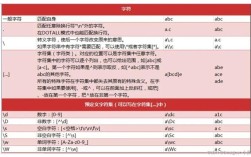
方法 4:使用 Pattern 和 Matcher(正则表达式)
如果需要更复杂的匹配(如部分匹配、正则表达式),可以使用 Pattern.CASE_INSENSITIVE 标志。
(图片来源网络,侵删)
示例代码
import java.util.regex.Pattern;
import java.util.regex.Matcher;
String str1 = "Hello World";
String regex = "hello world";
Pattern pattern = Pattern.compile(regex, Pattern.CASE_INSENSITIVE);
Matcher matcher = pattern.matcher(str1);
boolean result = matcher.matches(); // true
System.out.println(result); // true
特点
- 适用于正则表达式匹配,可以结合其他正则特性(如通配符、分组等)。
- 性能较低,适合复杂匹配场景,简单比较不建议使用。
| 方法 | 适用场景 | 特点 |
|---|---|---|
equalsIgnoreCase() |
简单比较(是否相等) | 最推荐,简单高效 |
compareToIgnoreCase() |
字典序比较(排序) | 返回比较结果,适合排序 |
toUpperCase()/toLowerCase() |
需要额外处理时 | 灵活但性能稍差 |
Pattern.CASE_INSENSITIVE |
正则表达式匹配 | 适合复杂匹配 |
推荐选择
- 仅判断是否相等 →
equalsIgnoreCase()(最简单)。 - 需要排序 →
compareToIgnoreCase()。 - 需要额外处理(如去除空格) →
toLowerCase()+equals()。 - 正则匹配 →
Pattern.CASE_INSENSITIVE。
希望这能帮到你!如果有其他问题,欢迎继续提问。 😊
(图片来源网络,侵删)