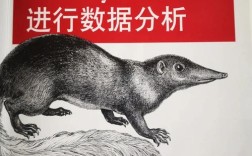
Of course! It sounds like you're looking for the popular and highly-regarded "Python Cookbook" book by David Beazley and Brian K. Jones.
Here’s a comprehensive guide to everything you need to know about it, including where to find it legally and how to get the most out of it.
What is the "Python Cookbook"?
The "Python Cookbook" is not a beginner's tutorial that teaches you Python from scratch. Instead, it's a problem-solving reference for working Python programmers.
The core idea is to present real-world programming challenges and provide concise, idiomatic Python solutions. Each recipe typically follows this structure:
- The Problem: A clear description of a task you want to accomplish.
- The Solution: A ready-to-use Python code snippet that solves the problem.
- Discussion: An explanation of why the solution works, how it leverages specific Python features, and potential trade-offs or alternatives.
It's designed to be dipped into whenever you encounter a specific challenge, making it an invaluable resource on any Python developer's desk.
Key Editions and Their Focus
There are two main editions you'll encounter, and it's important to know the difference.
Python Cookbook, 3rd Edition (for Python 3.x)
This is the current and most recommended edition for anyone learning or working with modern Python (3.3+).
- Author: David Beazley and Brian K. Jones
- Focus: Modern Python 3. It covers the best practices, libraries, and language features that define Python 3 today.
- Key Topics:
- Data Structures and Algorithms
- Strings and Text
- Numbers, Dates, and Times
- Iterators and Generators
- Functions and Closures
- Classes and Objects
- Metaprogramming and Decorators
- Modules and Packages
- Concurrency and Parallelism (using
async/await,threading,multiprocessing) - System Administration and Networking
- Testing, Debugging, and Exceptions
- C Extensions
Python Cookbook, 2nd Edition (for Python 2.x)
- Author: Alex Martelli, Anna Ravenscroft, and David Ascher
- Focus: Python 2. This edition is now considered outdated as Python 2 reached its end-of-life in 2025. You should only use this if you are maintaining legacy code written for Python 2.
Where to Find the Book (Legally and for Purchase)
The best way to support the authors and publishers is to purchase a legitimate copy. Here are the official sources:
Official Publisher (O'Reilly Media)
O'Reilly is the publisher and often has the best resources, including official errata and sample chapters.
- Python Cookbook, 3rd Edition on O'Reilly's Website
- You can purchase the e-book (EPUB, PDF, MOBI formats).
- You can purchase a print edition.
- Subscription: If you have an O'Reilly Learning subscription (often provided through universities or companies), you can read it for free as part of your subscription.
Online Retailers
You can also purchase the book from major online retailers.
- Amazon:
- AbeBooks: A great source for finding new or used print copies, sometimes at a lower price.
How to Find a Free PDF (Warning and Disclaimer)
While you can find many websites offering free PDF downloads of copyrighted books, this is illegal piracy and comes with significant risks:
- Malware and Viruses: These sites are often riddled with malicious ads and software that can infect your computer.
- Poor Quality: The files are often poorly scanned, contain watermarks, are incomplete, or are full of errors.
- Ethical Concerns: Downloading pirated content deprives the authors and publishers of the compensation they deserve for their hard work.
Instead of searching for "python cookbook pdf free download," I strongly recommend using the legal and safe options mentioned above. Many libraries also offer digital lending services for free.
How to Get the Most Out of the Cookbook
- Don't Read it Cover-to-Cover: Use it as a reference. When you face a problem (e.g., "How do I parse a CSV file?", "How do I create a singleton class?"), go to the relevant chapter and find the recipe.
- Type Out the Code: Don't just copy and paste. Typing the code yourself helps you understand the syntax and structure better.
- Read the Discussion: This is the most important part. The "why" behind the solution is what will teach you to become a better Python programmer.
- Experiment with the Code: Modify the code in the recipe. See what happens if you change a parameter or use a different data structure. This solidifies your understanding.
- Use it Alongside Other Resources: Pair it with a good introductory book or online course (like those on Codecademy, Coursera, or Real Python) for a well-rounded education.
Free Alternatives with Similar Spirit
If you're looking for free, high-quality, problem-solving resources, here are some excellent alternatives:
- The Python Standard Library Documentation: The ultimate reference for the tools that come built-in with Python. It's dense but authoritative.
- Real Python Website: Offers hundreds of in-depth tutorials and articles that solve specific problems, often with a "cookbook" feel.
- Stack Overflow: The go-to Q&A site for when you're stuck on a specific coding problem. Chances are, someone has already asked and answered it.
- Python Documentation HOWTOs: Guides on specific topics like "Floating Point Arithmetic: Issues and Limitations" or "Python Setup and Usage."
- GitHub Repositories: Search for "Python cookbook" or "Python recipes" on GitHub. Many developers have created their own open-source collections of useful code snippets.
Summary
| Feature | Description |
|---|---|
| Book | Python Cookbook (3rd Edition) |
| Authors | David Beazley & Brian K. Jones |
| Audience | Intermediate to Advanced Python programmers |
| Format | Problem-solving reference, not a tutorial |
| Best For | Finding idiomatic solutions to common programming tasks |
| Where to Buy | O'Reilly, Amazon |
| Free Legal Option | O'Reilly Learning Subscription or Library Digital Lending |
Happy cooking with Python