Of course! The "Python Cookbook" is a highly respected series of books published by O'Reilly Media. It's famous for its practical, recipe-based approach to solving common and complex programming problems in Python.
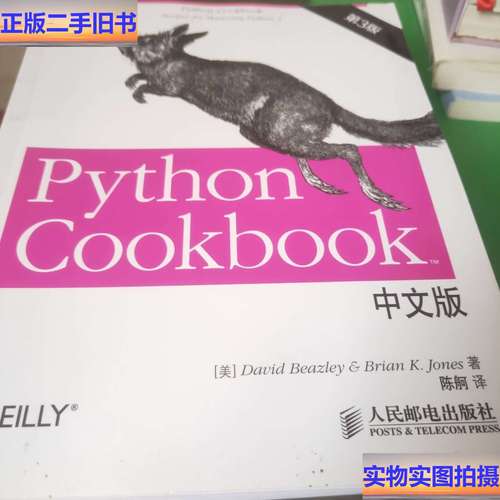
Here's a detailed breakdown of the English versions, focusing on the latest and most popular editions.
The Core Concept: What is a "Cookbook"?
Unlike a traditional textbook that teaches you syntax and concepts from the ground up, a "Cookbook" presents problems as recipes. Each recipe typically follows this structure:
- Problem: A clear statement of the task you want to accomplish.
- Solution: The Python code that solves the problem.
- Discussion: An explanation of why the solution works, the underlying concepts, and potential pitfalls or alternatives.
This format is perfect for experienced programmers who need a quick, reliable solution to a specific challenge without wading through basic tutorials.
The Main Editions
There are three primary editions of the Python Cookbook, each tailored to a major version of Python.
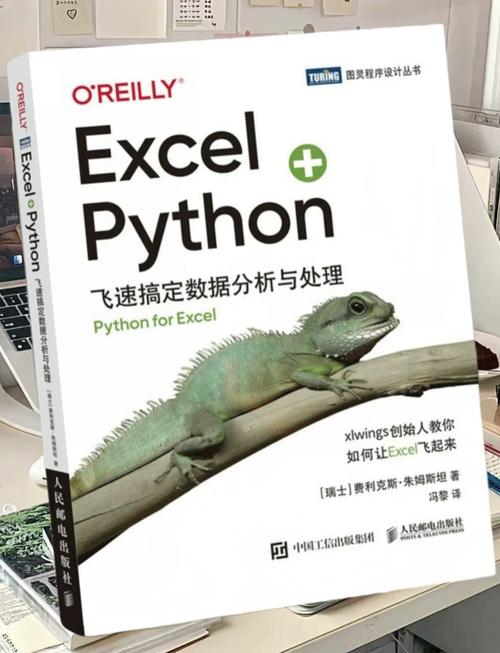
Python Cookbook, 3rd Edition (for Python 3.x)
This is the most current and recommended edition for anyone using modern Python (3.4+). It's an essential resource for intermediate to advanced Python developers.
- Authors: David Beazley and Brian K. Jones
- Python Version: Python 3
- Focus: This edition covers a wide range of topics, from core language features to modern libraries and frameworks. It reflects best practices for Python 3.
Key Topics Covered:
- Data Structures and Algorithms: Strings, dictionaries, lists, sets, sorting, searching, and more.
- Strings and Text: Text processing, regular expressions, and Unicode.
- Numbers, Dates, and Times: Mathematical operations, date formatting, and time handling.
- Iterators and Generators: Creating and using efficient iterators and generator functions.
- Functions and Closures: Advanced function techniques, decorators, and closures.
- Classes and Objects: Object-oriented programming, inheritance, composition, and special methods.
- Metaprogramming: Advanced techniques like decorators, metaclasses, and descriptors.
- Modules and Packages: Organizing code, distribution, and virtual environments.
- Concurrency and Parallelism:
threading,multiprocessing,asyncio, andconcurrent.futures. - System Administration and Testing: Interacting with the OS, running system commands, and writing unit tests.
- Network and Web Programming: Working with HTTP, sockets, and web frameworks like Django and Flask.
- Data Science: Brief introductions to
pandas,NumPy, and data visualization.
Who is it for?
- Intermediate to advanced Python developers.
- Programmers looking to level up their Python skills and learn "Pythonic" ways of solving problems.
- Anyone transitioning from Python 2 to Python 3.
Python Cookbook, 2nd Edition (for Python 2.x)
This is the classic edition that many developers used during the Python 2 era. It's still valuable for its timeless recipes, but all code examples use Python 2 syntax (e.g., print statement, iteritems() for dictionaries).
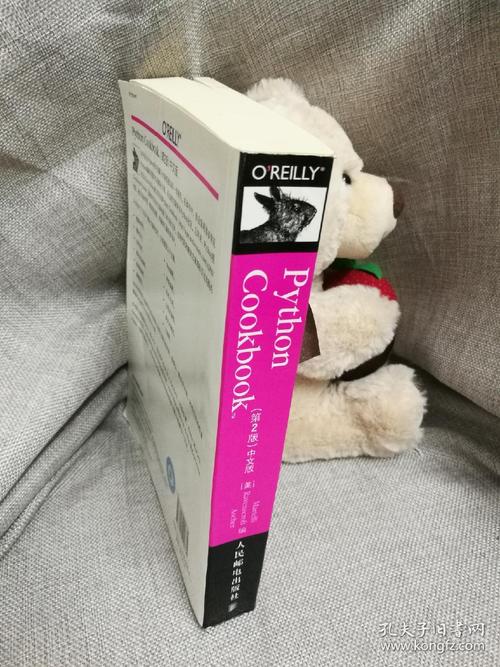
- Authors: Alex Martelli, Anna Ravenscroft, and David Ascher
- Python Version: Python 2
- Status: Largely outdated for new projects due to the end-of-life status of Python 2. You should only consider this if you are maintaining legacy codebases written in Python 2.
Python Cookbook, 1st Edition
The very first edition, now completely obsolete. Not recommended for any modern use.
Comparison: 3rd Edition vs. Other Resources
| Feature | Python Cookbook (3rd Ed.) | Fluent Python | Python Crash Course |
|---|---|---|---|
| Target Audience | Intermediate to Advanced | Intermediate to Advanced | Beginner to Intermediate |
| Format | Recipe-based (Problem/Solution/Discussion) | Conceptual, deep dives into language features | Project-based learning |
| Focus | Practical solutions to specific problems | Deep understanding of the Python language itself | Hands-on projects to build skills |
| Best For | "I need to solve this specific problem right now." | "I want to truly understand how Python works." | "I'm new and want to build cool things quickly." |
| Analogy | A toolbox of pre-built, specialized tools. | An engineering manual explaining how the tools are made. | A set of step-by-step project blueprints. |
Recommendation: If you are an intermediate developer, "Python Cookbook" and "Fluent Python" are perfect companions. Use the Cookbook for quick solutions and Fluent Python for deepening your overall understanding.
Where to Buy the English Version
You can purchase the official English version from several major retailers:
- O'Reilly Online Learning: The best place to buy. It often includes access to the e-book and a subscription to O'Reilly's online learning platform with thousands of other books and videos.
- Amazon:
- Kindle Edition: Link to Amazon Kindle Store
- Print Edition: Link to Amazon Print Edition
- Other Retailers: Barnes & Noble, Book Depository, etc.
Summary
For any serious Python programmer working with Python 3, the Python Cookbook, 3rd Edition by David Beazley and Brian K. Jones is an indispensable reference. It's not a book you read cover-to-cover, but one you keep on your desk to pull out whenever you face a new programming challenge.